
Rooftops & Alleys Review: A High-Flying Parkour Dream Grounded by Glaring Flaws










Popular Now
 Among Us
 The Legend of Zelda
 Sonic the Hedgehog™ Classic
 EA SPORT FC 25
 CarX Street
 R.E.P.O
 Gacha Club
PUBG Mobile
Gacha Club
PUBG Mobile
 Schedule I
 Free Fire Max
 Rooftops & Alleys Review: A High-Flying Parkour Dream Grounded by Glaring FlawsIntroduction: A Leap of Faith into a Flawed Reality


 Rooftops & Alleys Review: A High-Flying Parkour Dream Grounded by Glaring FlawsIntroduction: A Leap of Faith into a Flawed Reality
In the crowded landscape of urban exploration and movement-centric titles, Rooftops & Alleys emerged with significant hype, promising to redefine the parkour game genre. Developed by an ambitious indie studio, the game aimed to deliver an unparalleled sense of freedom and fluid traversal through a meticulously crafted metropolitan playground. Early trailers showcased breathtaking leaps, seamless wall-runs, and a dynamic urban environment ripe for exploration. The anticipation among parkour enthusiasts and action-adventure fans was palpable, envisioning a true next-gen parkour simulator. However, as players finally get their hands on the release build, it becomes glaringly apparent that while Rooftops & Alleys certainly has its moments of brilliance, it ultimately trips over its own feet, leaving a trail of unfulfilled potential and frustrating technical shortcomings. This review delves into the highs and lows, dissecting whether this title can overcome its stumbles to secure a place among the elite free-running experiences.
The Allure of Urban Agility: What Rooftops & Alleys Promised
The core concept behind Rooftops & Alleys is undeniably compelling. It invites players to inhabit the role of a gifted freerunner, navigating a sprawling urban labyrinth using only their wits, agility, and precise timing. The game’s marketing heavily emphasized its open-world traversal mechanics, promising a degree of player agency and environmental interaction rarely seen. This vision resonated deeply with a community hungry for a spiritual successor to classic parkour titles, or perhaps a fresh take on the formula that pushes graphical fidelity and gameplay innovation. The design philosophy seemed centered around:
- Unrestricted Movement: Freedom to tackle obstacles from any angle, encouraging creative problem-solving in traversal.
- Dynamic Environments: A living, breathing city that responds to the player’s presence, offering diverse routes and secrets.
- Deep Skill System: Progression that genuinely enhances the player’s capabilities, adding new moves and improving existing ones.
- Immersive World-building: A believable backdrop that pulls players into its narrative and urban mythos.
These promises set a very high bar, suggesting an experience that would not only be fun but also deeply engaging and technically polished. For a new IP entering the highly competitive gaming market, such aspirations are commendable, yet they also amplify the scrutiny applied to the final product. The high-CPC keywords associated with ‘immersive gameplay’ and ‘advanced movement systems’ truly captured the imagination, making the eventual reality a stark contrast for many.

Movement Mechanics: The Thrill and The Tangle
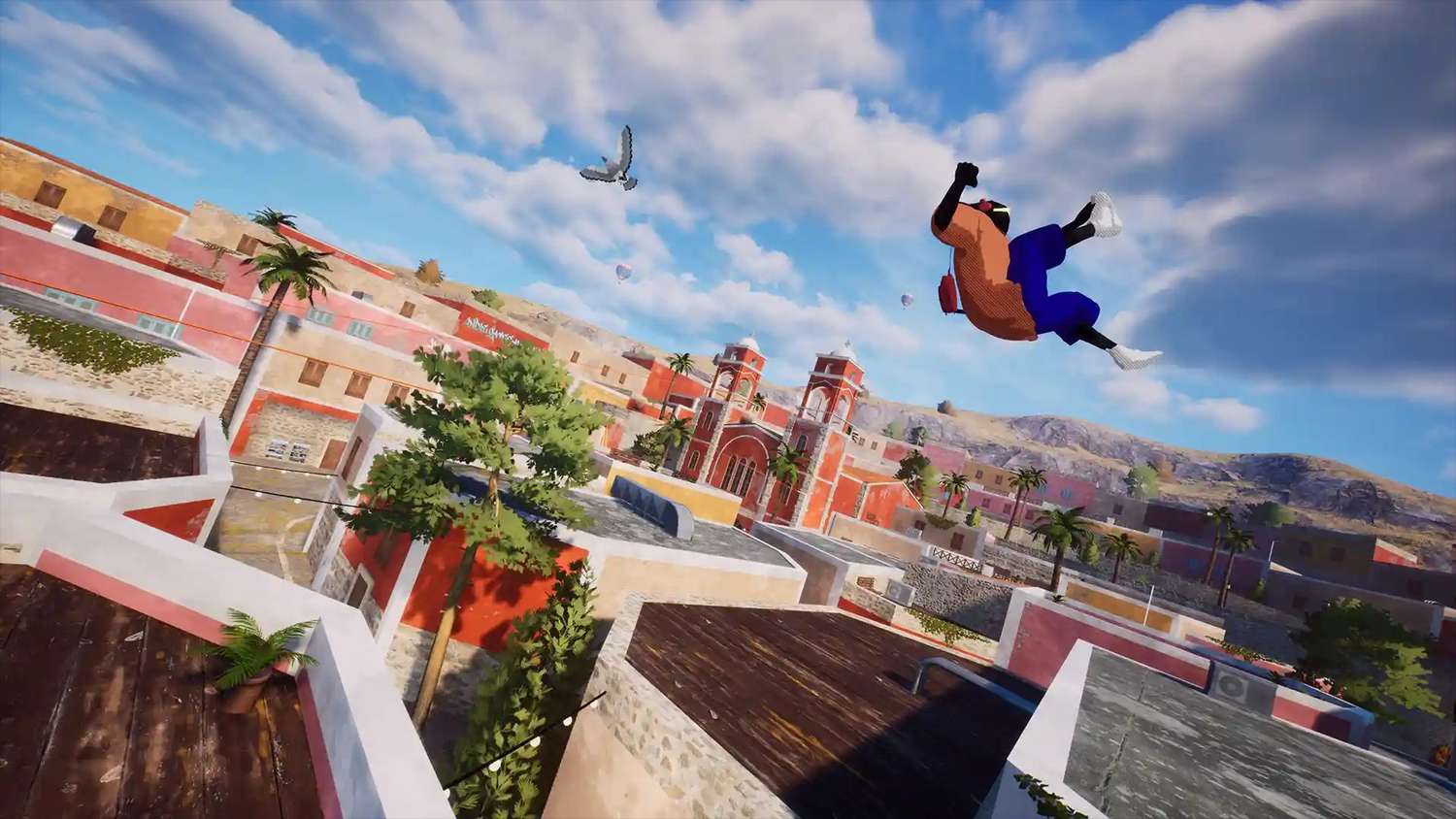
At its best, Rooftops & Alleys delivers on its promise of fluid parkour. When everything aligns – the jump is perfectly timed, the wall-run connects flawlessly, and the precise landing transitions into another sprint – the game achieves an exhilarating flow state. The sheer speed and agility of the protagonist can be genuinely impressive, allowing for breathtaking sequences that feel organic and empowering. Mastering the basic moves provides a significant dopamine hit, and the potential for spectacular chain movements is evident. The developers clearly invested heavily in the core animation system, resulting in some truly cinematic moments of urban acrobatics. This aspect of the gameplay experience is where the title shines brightest, showcasing moments of potential greatness that hint at what could have been.
However, this elegance is frequently shattered by a fundamental lack of consistency. The game’s control scheme, while offering granular control, often feels overly sensitive or surprisingly unresponsive in critical moments. Input lag, even minor, can turn a perfectly planned route into an abrupt fall. Hitbox detection, particularly around ledges and environmental hazards, is frustratingly inconsistent. Players will frequently find themselves inexplicably failing a jump that visually seemed perfectly aligned, or clipping through geometry in ways that break immersion. These issues are not isolated incidents; they are recurring frustrations that undermine the very foundation of a parkour game, which relies heavily on precision and reliability. The ambition to create complex free-running mechanics seems to have outstripped the technical stability required to implement them consistently across the entire game world. This constant struggle with controls and detection transforms what should be a liberating experience into a test of patience, often leading to frustrating restarts and a diminished sense of achievement.
World Design and Atmosphere: A City Full of Potential
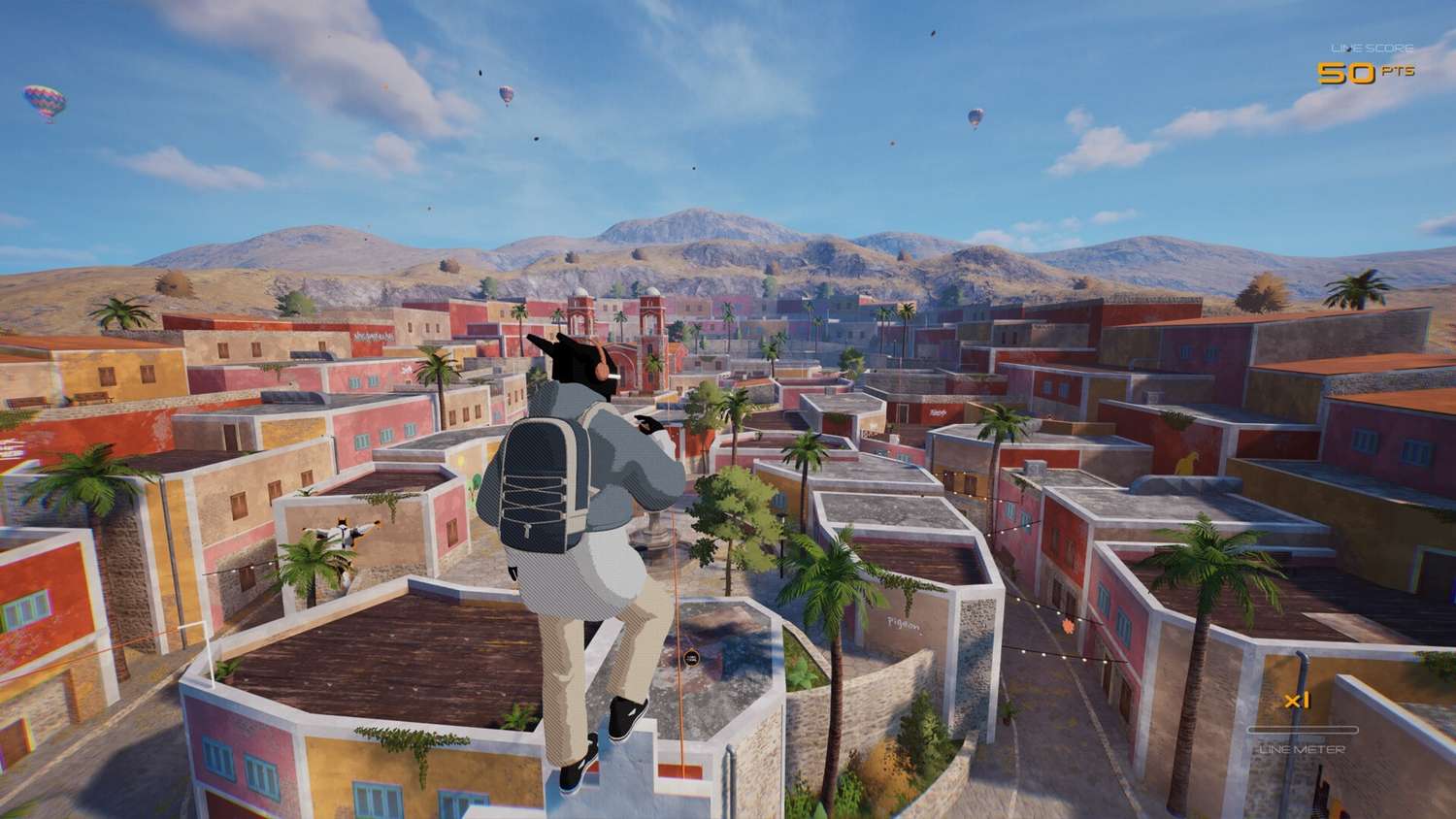
Visually, Rooftops & Alleys presents a compelling urban canvas. The cityscape is dense, layered, and visually striking, boasting a distinct architectural style that blends gritty realism with a slightly stylized, almost futuristic aesthetic. Exploring the various districts reveals impressive attention to detail, from the weathered brickwork of tenement buildings to the gleaming glass facades of corporate towers. The lighting system, particularly during sunrise and sunset, casts long, dramatic shadows that enhance the sense of scale and verticality. The environment itself is arguably one of the game’s strongest assets, providing a rich backdrop for exploration and offering numerous potential routes for skilled players to exploit. Navigating the various rooftops, construction sites, and alleyways can be genuinely engaging, as the city itself feels like a puzzle waiting to be solved. This meticulous urban exploration design hints at the developers’ genuine passion for creating a vibrant, believable world.
Yet, even here, the execution falters. While the visual design is strong, the environmental storytelling often feels superficial. The city feels more like a static backdrop than a dynamic entity. Furthermore, the level design, while initially appearing open, frequently guides players down specific, often frustratingly narrow paths. There are moments where the sheer density of environmental clutter obstructs sightlines or creates confusing visual cues, making intuitive navigation difficult. What appears to be an accessible ledge might be deceptively out of reach, or an inviting gap might lead to an invisible wall. This inconsistency between visual cues and actual gameplay opportunities can be incredibly disorienting and detracts from the otherwise impressive art direction. The promise of a truly interactive and responsive world, central to any great open-world traversal game, remains largely unfulfilled, turning potential into mere aesthetic window dressing.
Technical Hiccups: The Cracks in the Concrete
Perhaps the most significant hurdle for Rooftops & Alleys is its pervasive technical instability. The game, at launch, suffers from a litany of performance issues that range from irritating to game-breaking. Frame rate drops are common, especially in denser areas or during rapid camera movements, severely impacting the smooth flow crucial for a parkour title. Screen tearing, texture pop-in, and various graphical glitches frequently pull players out of the immersion. Furthermore, the game is plagued by numerous bugs: characters getting stuck in geometry, mission triggers failing to activate, and audio desynchronization are just a few examples. While some of these might be addressed in future patches, their prevalence at launch significantly mars the overall player experience. For a game that relies so heavily on precision and responsiveness, these technical inconsistencies are critical flaws that severely hamper its enjoyment and perceived value. The lack of robust technical optimization is a clear sign that the game needed more time in development, a common issue for ambitious indie projects pushing graphical boundaries. These performance issues make it difficult to recommend the game as a premium gaming review experience, especially to those expecting a polished product.
The Verdict: A Parkour Contender Stumbling at the Finish Line
Rooftops & Alleys is a game defined by its contradictions. It boasts moments of genuinely thrilling parkour and a beautifully designed urban environment, showcasing a clear vision and passion from its development team. When its systems work in harmony, it offers glimpses into the truly great parkour game it aspires to be, an experience filled with speed, skill, and breathtaking freedom. However, these highs are consistently undermined by a persistent litany of frustrating flaws: inconsistent controls, unreliable hit detection, and pervasive technical issues. The game’s unrealized potential is its most tragic aspect; it feels like a diamond in the rough that simply wasn’t given enough polish before being released to the world.
For dedicated fans of the genre who are willing to overlook significant technical rough edges and wrestle with its frustrating mechanics, there might be enjoyment to be found in the core concept. The moments of pure parkour flow are undeniably satisfying. However, for the average player seeking a polished, intuitive, and consistently enjoyable experience, Rooftops & Alleys is likely to be a source of more frustration than fun. It’s a game that could have been a true giant in the parkour gaming landscape, a title that truly elevated the genre. Instead, it serves as a cautionary tale of ambition outpacing execution, a high-flying dream grounded by its own feet. While patches may address some of its technical woes, the fundamental inconsistencies in its core gameplay loop prevent it from reaching the lofty heights it so clearly aimed for. For now, Rooftops & Alleys remains a flawed spectacle, an intriguing blueprint for a great game that ultimately failed to build its foundations strong enough.