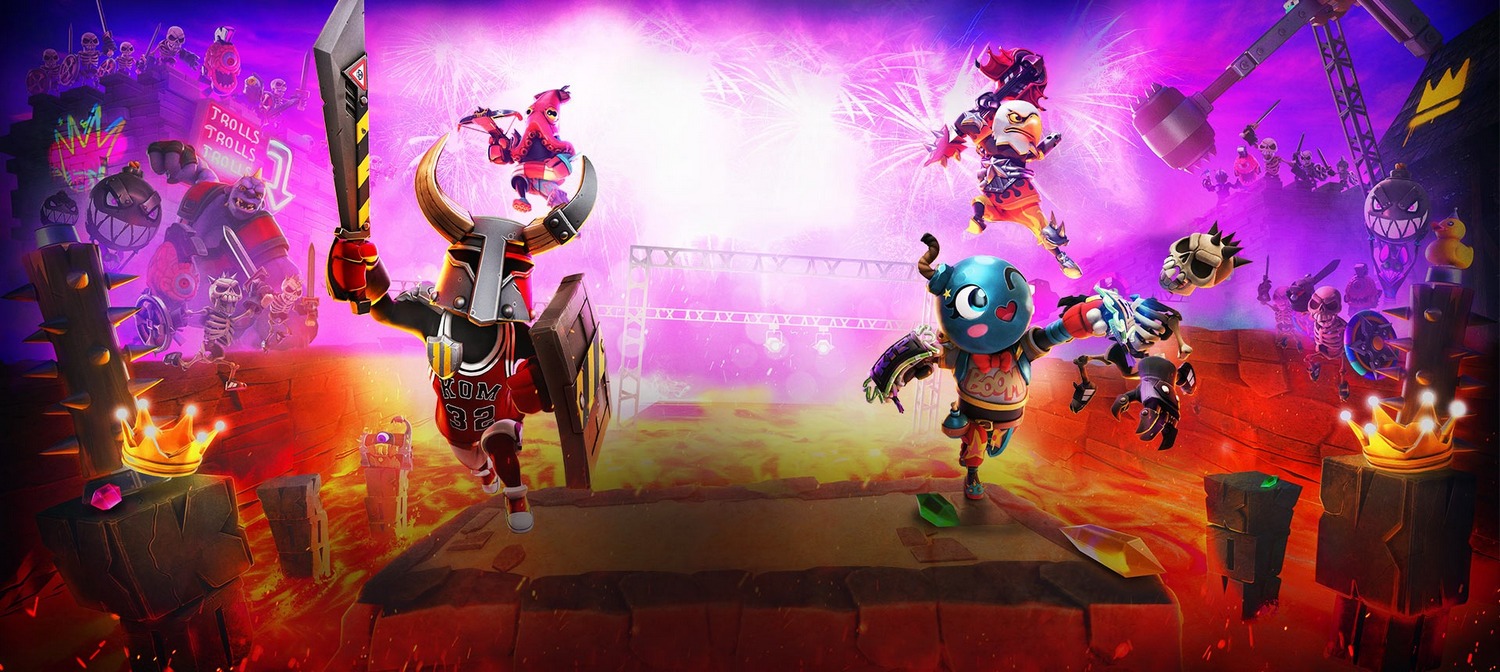
King of Meat’s Multiplayer Ambition: A Deep Dive into Co-op Potential and Launch Challenges










Popular Now
 PUBG Mobile
 Schedule I
 FIFA 23
 Garena Free Fire: Kalahari
 Free Fire
 Fortnite
 CarX Street
Geometry Dash
CarX Street
Geometry Dash
 Toca Boca World
 Free Fire Max
Introduction: The Buzz Around King of Meat
In the bustling landscape of contemporary gaming, a new title, King of Meat, has emerged, capturing the attention of both casual players and hardcore enthusiasts alike. Billed as a groundbreaking entry into the co-operative gaming genre, its premise offers a compelling blend of action, strategy, and teamwork. However, while the initial buzz and conceptual framework suggest immense potential to become a definitive co-op hit, the journey from promising concept to market leader is fraught with significant hurdles. This analysis delves into what makes King of Meat a title to watch, meticulously examining the elements that could elevate it to a stellar experience, as well as the critical challenges it must meticulously overcome to secure its place in the competitive online gaming sphere.
The ambition behind King of Meat is palpable, aiming to carve out a niche by potentially offering a fresh take on established multiplayer mechanics. Developers are often challenged with striking the right balance between innovation and familiarity, especially when venturing into the highly scrutinized realm of co-op experiences. The ultimate success of King of Meat will hinge not just on its initial feature set, but on sustained post-launch support, astute community management, and an unwavering commitment to technical excellence and player satisfaction.
Understanding the Core Concept: What is King of Meat?
At its heart, King of Meat appears to be a genre-bending title that integrates elements from various popular gaming categories to create a unique co-operative ecosystem. While specific details remain under wraps, early indications point towards a blend of resource management, tactical combat, and narrative-driven objectives, all designed to be tackled by a team of players. The game’s setting, reportedly a harsh, resource-scarce world, necessitates collaboration for survival, making the co-op aspect not merely a feature but an inherent necessity to progress.
This foundational design principle sets King of Meat apart from many titles where multiplayer is often an afterthought or a supplementary mode. Here, the entire experience is seemingly built around the premise of working together, sharing spoils, and overcoming adversity as a unified front. The emphasis on shared objectives and interdependent roles could foster a deep sense of camaraderie and strategic planning, elements crucial for a thriving multiplayer experience. The developers seem to be targeting a high level of player engagement through persistent world elements and evolving threats, promising a dynamic gameplay loop that keeps players invested for the long haul.
The Promise of a Seamless Co-op Experience
The ‘potential’ of King of Meat to become a co-op phenomenon stems from several key design philosophies and anticipated features. Should these elements be executed flawlessly, the game could easily rise above the crowded market:
- Innovative Mechanics: Reports suggest unique synergistic abilities and environmental interactions that require precise teamwork. This could elevate standard combat encounters into complex, rewarding puzzles where each player’s contribution is vital. Such innovation is a significant draw for players constantly seeking fresh online gameplay.
- Dynamic Environments: A living, breathing game world that reacts to player actions and features unpredictable events could ensure high replayability. Imagine environmental hazards or resource spawns that shift, forcing teams to constantly adapt their strategies, thereby enhancing the tactical depth.
- Strategic Depth: Beyond mere twitch reflexes, King of Meat aims to incorporate significant strategic planning, from loadout customization to mission execution. This appeals to players who enjoy thoughtful engagement rather than just mindless action, broadening its appeal within the gaming community.
- Community Building: A robust in-game social system and dedicated tools for group formation could foster a vibrant community. The ease with which players can connect, communicate, and coordinate is paramount for any successful co-op gaming title. The goal is to make forming a team as seamless and rewarding as playing with one.
- Compelling Lore and Narrative: A strong narrative framework, even in a co-op focused game, provides context and motivation. If King of Meat can weave an engaging story through its missions and world-building, it will add another layer of immersion that encourages continued play and exploration.
The vision for King of Meat paints a picture of a game that respects its players’ intelligence and commitment, offering challenges that genuinely require collaboration to overcome. This approach is often celebrated by players, distinguishing truly memorable experiences from fleeting novelties.
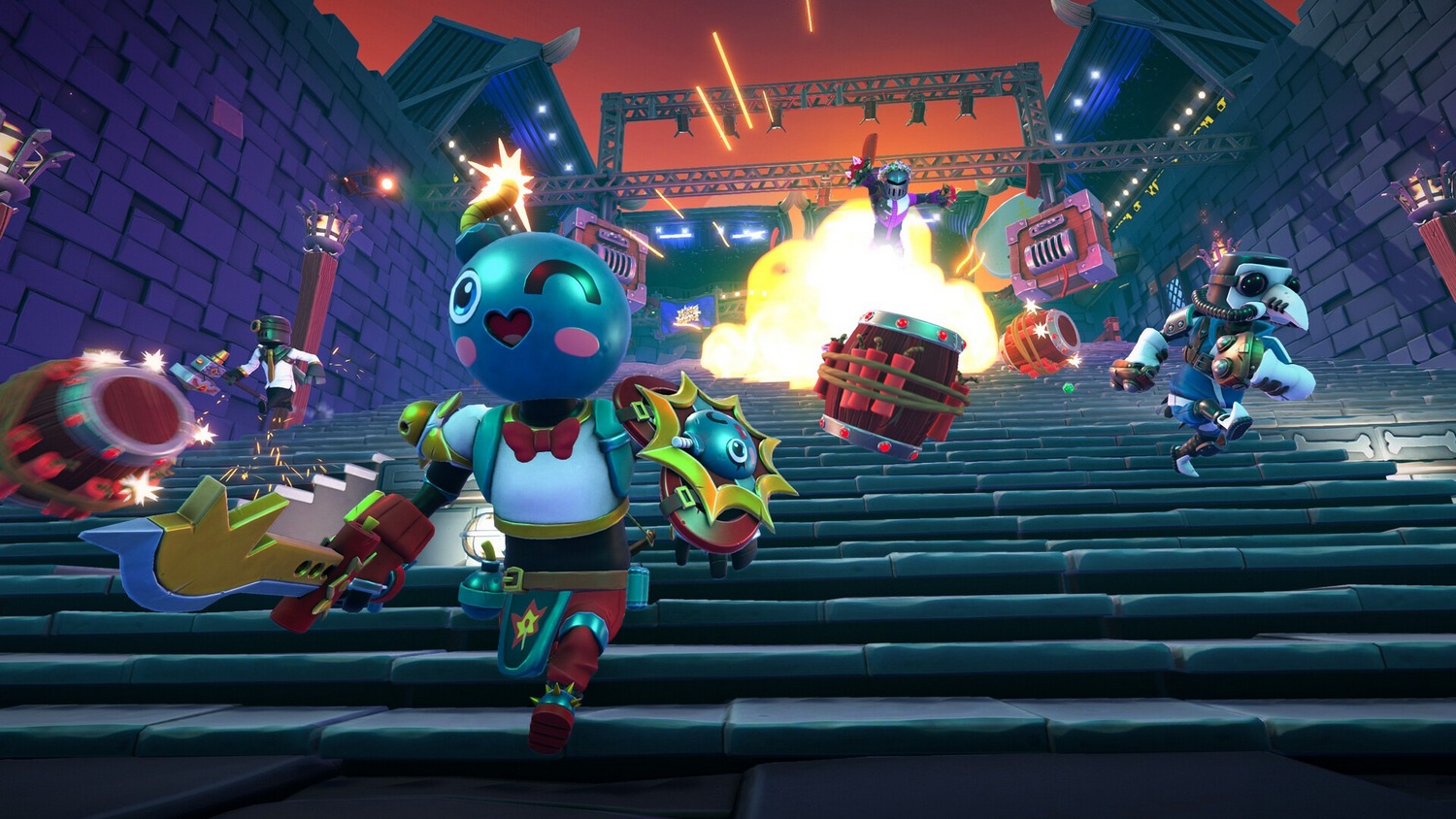
Navigating the Gauntlet: Obstacles to Co-op Success
Despite its promising outlook, King of Meat faces a steep uphill battle to realize its full potential. The inherent complexities of developing a large-scale online multiplayer title introduce numerous challenges that have historically plagued even well-funded projects. These are the areas where the developers will truly ‘have to work for it’:
- Technical Stability and Netcode: Perhaps the most critical hurdle. A flawless launch requires robust server infrastructure and exceptional netcode. Lag, disconnections, and desynchronization can quickly sour the experience, leading to negative reviews and a rapid decline in player base. Sustained investment in technical backend is non-negotiable for long-term success.
- Content Longevity and Player Retention: Initial engagement is one thing; keeping players invested for months or years is another. King of Meat will need a consistent pipeline of new content, challenges, and progression systems to prevent player fatigue. A clear roadmap for post-launch content, including expansions and seasonal updates, is essential for player retention.
- Balancing for Diverse Player Counts: Designing for optimal performance across various team sizes (e.g., 2, 3, or 4 players) presents a significant balancing act. Ensuring that the game remains challenging yet fair, regardless of the group’s composition, requires meticulous tuning and continuous adjustments based on player feedback.
- Monetization and Player Trust: How King of Meat chooses to monetize its content post-purchase (if applicable) will be under intense scrutiny. Aggressive or predatory monetization strategies, such as excessive microtransactions or ‘pay-to-win’ elements, can severely damage a game’s reputation and alienate its community. A transparent and fair system, perhaps focusing on cosmetic items or battle passes that offer good value, is crucial for maintaining player trust.
- The Crowded Multiplayer Landscape: King of Meat is entering a market saturated with established best co-op games and high-profile contenders. Standing out requires not just innovation but also superior execution and a compelling unique selling proposition that genuinely offers something new or significantly better than existing titles. The competition for player time and financial investment is fierce.
- Effective Community Management: Post-launch, an active and responsive development team is vital. Listening to player feedback, addressing concerns promptly, and fostering a positive dialogue with the community can turn potential detractors into passionate advocates. Neglecting the community can quickly lead to resentment and a fractured player base.
The journey through these challenges will test the developers’ resolve and capabilities. Each obstacle overcome represents a step closer to achieving its vision, while each misstep carries the risk of alienating its target audience.
Developer Commitment: The Key to Sustained Engagement
Ultimately, the success story of King of Meat will be written by its developers’ commitment to their vision and their audience. The initial launch is merely the beginning. True longevity in the highly competitive gaming industry comes from a dedication to evolving the game, fixing bugs, listening to feedback, and regularly introducing fresh content that keeps the experience vibrant.
For a game relying heavily on its co-op experience, fostering a strong community is paramount. This involves transparent communication about development plans, quick responses to critical issues, and perhaps even involving players in testing new features. Games that build a symbiotic relationship with their player base often enjoy prolonged popularity and a loyal following, proving that the best games are often those that grow with their community.
Conclusion: Earning Its Crown in the Co-op Kingdom
King of Meat undoubtedly possesses the raw ingredients for an exceptional multiplayer gaming experience. Its ambitious design, emphasis on teamwork, and potential for deep strategic play position it as a formidable contender in the co-op genre. However, potential alone is insufficient. The path to becoming a true co-op hit is paved with technical challenges, the need for continuous content, careful monetization, and fierce competition.
The developers must meticulously address every facet of game development and post-launch support, demonstrating an unwavering dedication to quality and player satisfaction. If King of Meat can successfully navigate these complexities, delivering on its promises of innovation and seamless teamwork, it stands a strong chance of earning its crown and establishing itself as a beloved entry in the pantheon of great co-operative games. The gaming world is watching, ready to see if King of Meat can truly work for its potential and become the definitive co-op experience it aspires to be.