









 Genshin Impact
  Garena Free Fire: Kalahari
  Stumble Guys
  Gacha Club
  Toca Boca World
  Brawl Stars
  Geometry Dash
  Among Us
  Call of Duty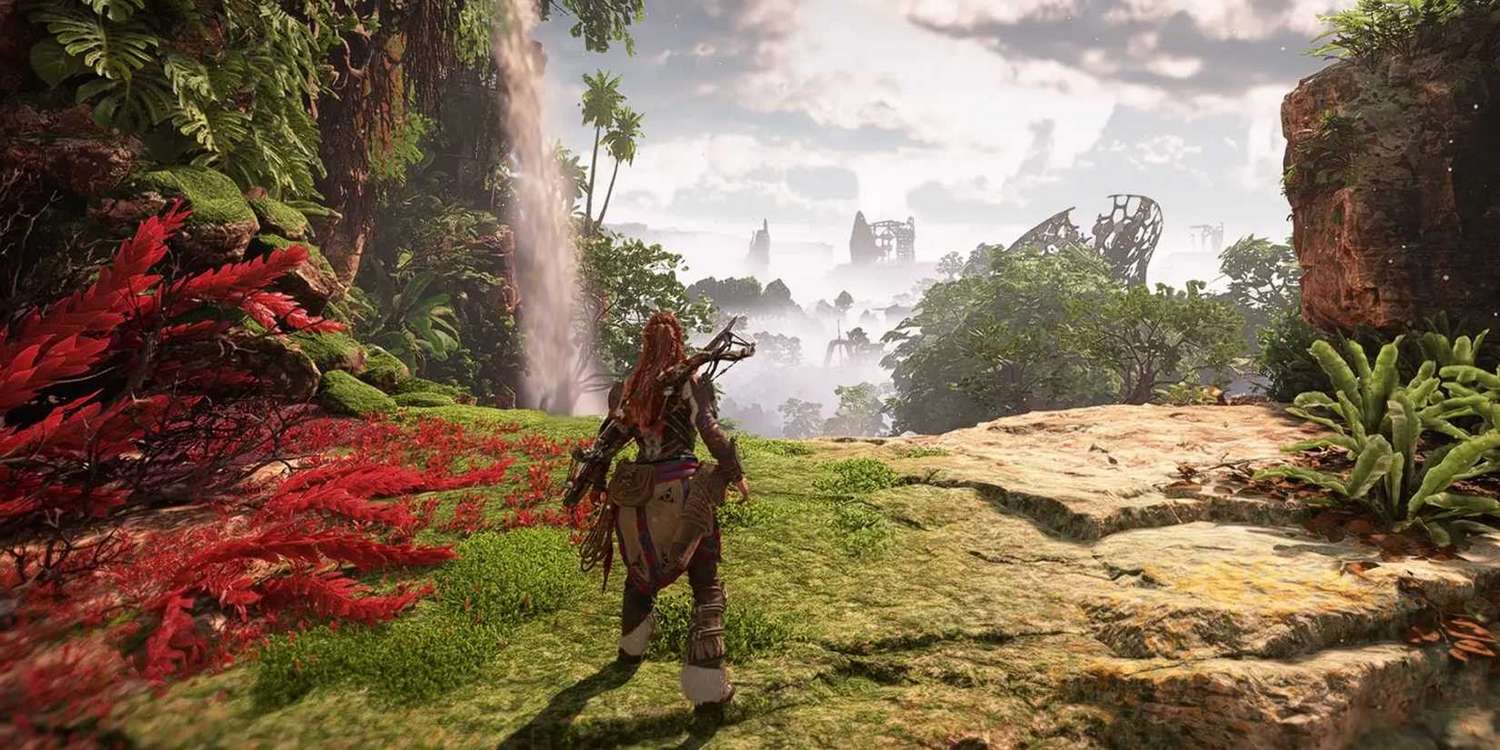
The High-Stakes Intellectual Property War Over the Future of the $180 Billion Gaming Industry
The intensifying legal dispute between gaming behemoths Sony Interactive Entertainment (SIE) and Tencent has reached a critical juncture. In a significant escalation of its copyright and trademark infringement lawsuit, Sony has filed for a preliminary injunction in a U.S. District Court. This move aims to immediately halt Tencent’s promotion and further development of its upcoming open-world survival game, Light of Motiram, which SIE claims is a “slavish clone” of its highly valuable Horizon Zero Dawn and Horizon Forbidden West franchises.
This dramatic legal manoeuvre underscores the enormous commercial value of exclusive video game intellectual property (IP) and sets the stage for a landmark ruling that could reshape how game developers approach inspiration, imitation, and copyright protection across the global market. The stakes are immense, involving two of the world’s most dominant players in the premium gaming and mobile gaming sectors, with hundreds of millions of dollars in potential revenue and future franchise success hanging in the balance.
The Core of Sony’s Allegations: A Case of “Blatant Copying”
Sony’s original lawsuit, filed in July, accused Tencent and its subsidiary, Polaris Quest (Aurora Studios), of deliberately copying numerous protected elements from the Horizon universe. The latest injunction motion zeroes in on several key components that SIE argues constitute irreparable harm to the PlayStation brand and the Horizon IP:
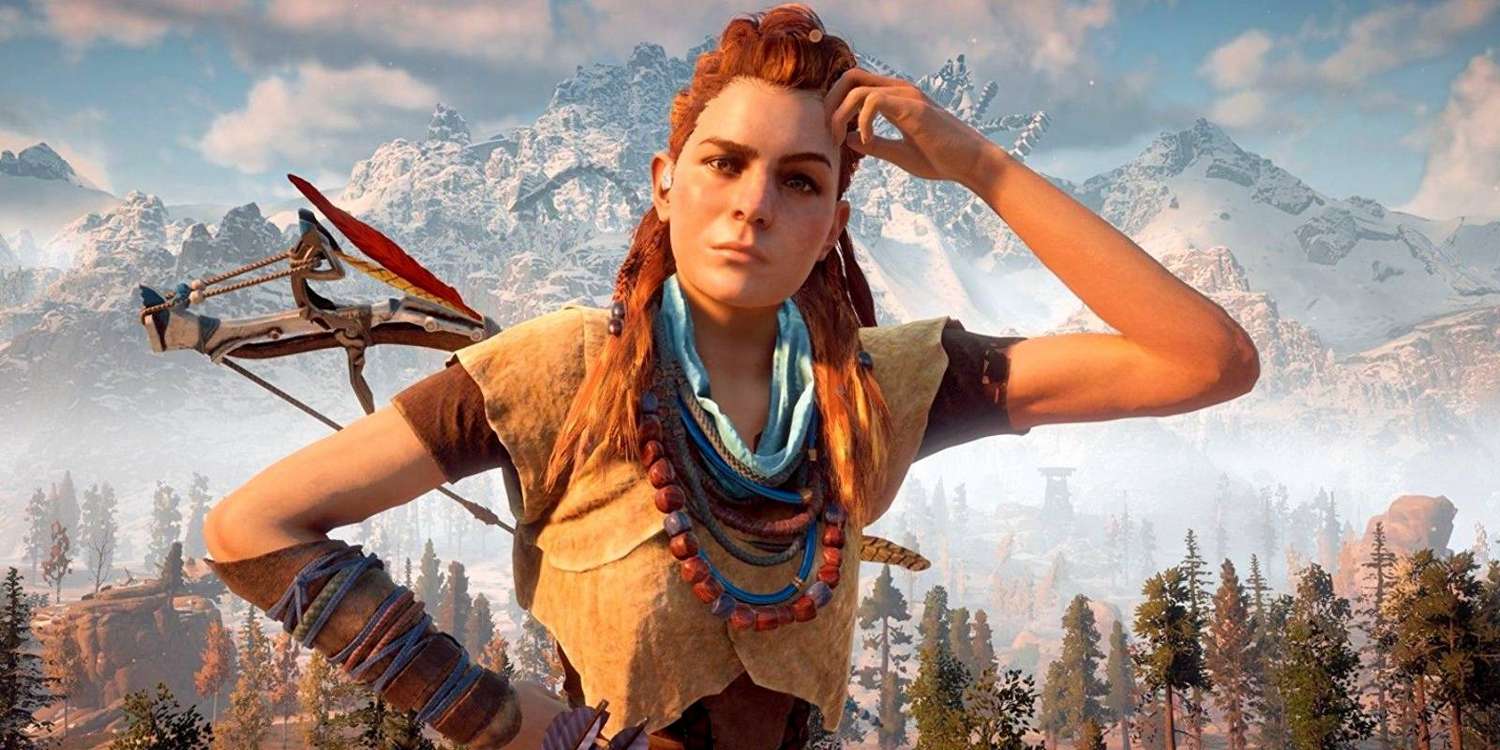
- The Protagonist: SIE seeks to bar the use of a “fierce tribal warrior huntress characterized by fiery red hair” that allegedly bears an unmistakable resemblance to Aloy, the iconic lead character of the Horizon series. Sony claims this creates consumer confusion and dilutes the Aloy Character Mark.
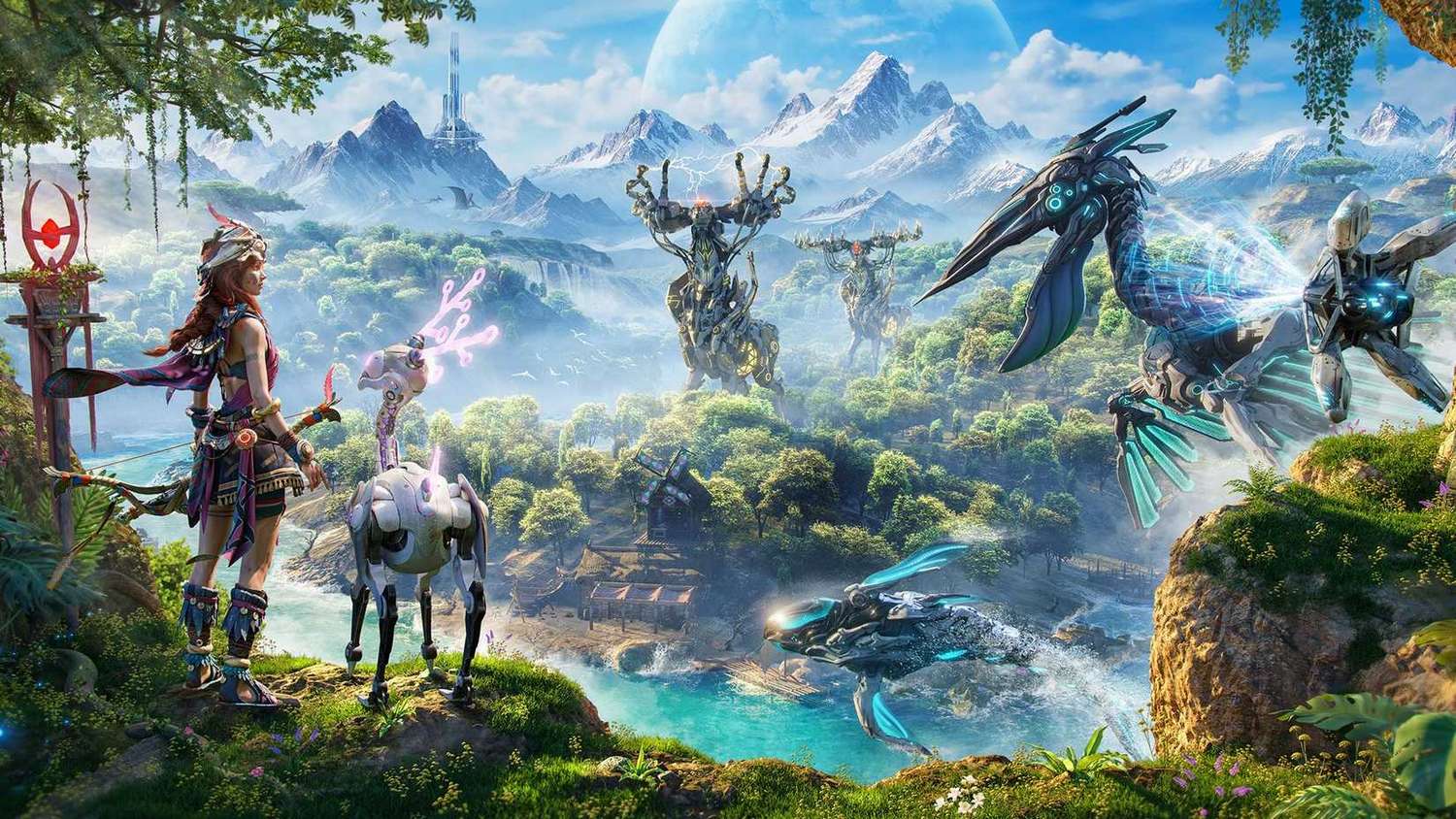
- Aesthetic and Setting: The complaint highlights the alleged copying of the unique post-apocalyptic world blending primitive tribal aesthetics with futuristic, machine-based wildlife—a core differentiator of the Horizon franchise.
- Musical Score: The motion specifically targets a melody used in Light of Motiram promotional material, asserting it is too similar to key tracks from the Horizon Zero Dawn OST, including the main theme and “City on the Mesa.”
- Corporate Intent: Adding further weight to their claim, court documents have revealed that Tencent’s subsidiary allegedly approached Sony in the past seeking a license for a Horizon game. Sony’s rejection, followed by the development and announcement of a strikingly similar title, forms a key piece of circumstantial evidence suggesting willful IP infringement.
 Tencent’s Defense: “Time-Honored Tropes” vs. “Monopoly on Genre”
 Tencent’s Defense: “Time-Honored Tropes” vs. “Monopoly on Genre”
Tencent has fiercely contested Sony’s claims, filing a motion to dismiss the lawsuit. Their core defense centers on the argument that Light of Motiram utilizes “time-honored tropes” and genre conventions that are common in open-world action-adventure games and, therefore, not subject to copyright protection. In their rebuttal, Tencent argued that Sony is attempting to establish an “impermissible monopoly” over a general corner of popular culture.
Furthermore, Tencent has used the scheduled release date of Light of Motiram—currently pegged for late Q4 2027—to argue against the immediate necessity of a preliminary injunction. They contend that Sony cannot demonstrate the “immediate threatened injury” required for such a drastic legal measure when the game is still years from launch. However, Sony has countered this by asserting that the damage—specifically consumer confusion and the loss of control over their brand—is already occurring due to existing promotions and media coverage.
Market Implications and the Future of Horizon IP
The outcome of this injunction request, with a potential hearing scheduled before the end of the year, will have wide-ranging repercussions for the video game industry and the legal enforcement of digital intellectual property. Should the injunction be granted, it would force Tencent to immediately cease all promotion, remove existing assets, and potentially overhaul core elements of Light of Motiram, leading to massive financial and developmental setbacks. A loss for Sony, conversely, could embolden competitors to push the boundaries of similarity, arguing that the courts favor the protection of broad genre elements over specific artistic expression.
In a related development, Sony’s court filings have also provided fresh updates on its ongoing efforts to expand the Horizon franchise beyond console gaming. Sworn declarations from PlayStation Productions executives confirm that the anticipated Horizon Zero Dawn film adaptation now has a working script and is actively seeking a lead to embody Aloy, with filming potentially beginning in 2026 for a 2027 premiere. This revelation further highlights the immense, multi-platform investment Sony is making in the Horizon IP, lending credence to their urgency in protecting it from perceived threats like Light of Motiram.
 Key Takeaways: High-Value Analysis
 Key Takeaways: High-Value Analysis
This lawsuit serves as a crucial test case for intellectual property law in the digital era, particularly concerning the distinction between acceptable inspiration and actionable copyright infringement. As game development continues to rely on high-fidelity graphics and similar thematic elements, the legal boundaries of a unique “look and feel” become increasingly contested. Gaming industry analysts will be closely watching the court’s decision on the preliminary injunction, as it will signal the strength of protection for narrative, character design, and aesthetic identity in the lucrative realm of AAA video games.