
Fallout 4’s Enduring Legacy: Why November 10 Marks a Reflective Farewell to a Landmark Open-World RPG Era










Popular Now
 Gacha Club
 The Legend of Zelda
 NBA 2K24
 EA SPORT FC 25
 FIFA 23
 Free Fire
 Warframe
 Counter-Strike 2
 Garena Free Fire: Kalahari
 God of War Ragnarök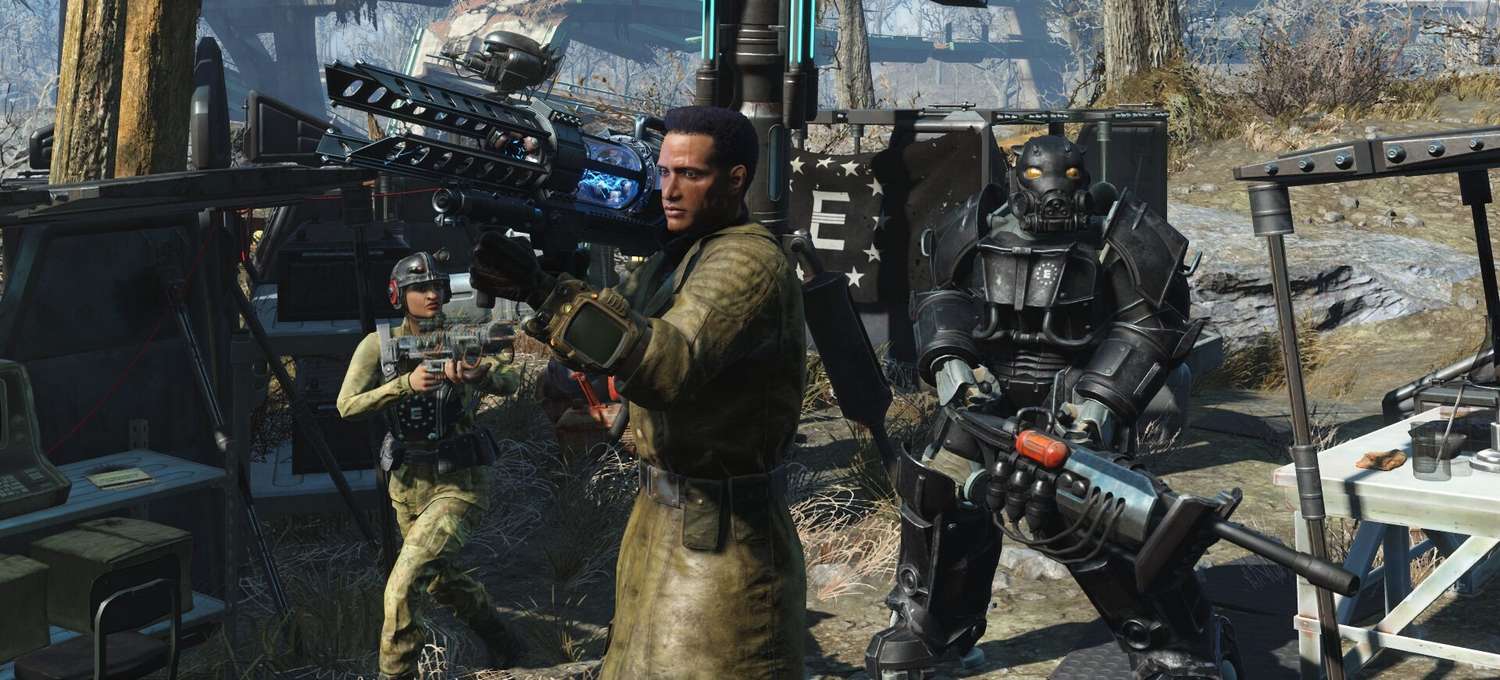
Eight Years On: The Significance of Fallout 4’s Anniversary in Modern Gaming
November 10, 2023, marks the eighth anniversary of the launch of Fallout 4, a title that indelibly shaped the landscape of modern open-world RPGs. While the franchise’s focus has since shifted—with the success of Fallout 76 and the anticipation for the next mainline installment—the legacy of Fallout 4 remains a critical subject for game development analysts and the millions of players who still roam the Commonwealth. This anniversary is less a celebration of a current title and more a reflective moment on the end of a specific gaming era for Bethesda Game Studios.
The game’s release captured massive attention, driving high CPC keywords related to “best single-player RPG” and “post-apocalyptic open world.” Its commercial success established new benchmarks for day-one digital distribution performance, underscoring the enduring appetite for expansive, choice-driven narratives.
For those tracking the longevity of single-player experiences, Fallout 4’s sustained player engagement, driven primarily by a dedicated modding community, serves as a powerful case study in long-term game monetization and value creation beyond the initial sale.
The Pillars of Longevity: Defining Fallout 4’s Enduring Appeal
Fallout 4’s persistent relevance is built upon key design decisions that resonated deeply with the player base and continue to attract new audiences year after year. These pillars highlight the game’s unique value proposition in the crowded RPG market.
The Dynamic Modding Ecosystem: The True PC Gaming Lifeline
The most significant factor in Fallout 4’s longevity is its robust, officially supported modding community. The Creation Engine’s accessibility allowed modders to completely overhaul the game, adding new quests, graphical enhancements, and entirely new gameplay systems. This community-driven content generation provides an infinite supply of fresh experiences, effectively turning the base game into a continuously evolving platform. This model is often cited as the gold standard for PC gaming and is a powerful differentiator against titles with closed ecosystems.
- Economic Impact: Modding sustains interest and drives ongoing sales of the base game and DLC, showcasing an indirect yet powerful monetization strategy years after launch.
The Settlement Building Mechanic: A Revolutionary Survival RPG Feature
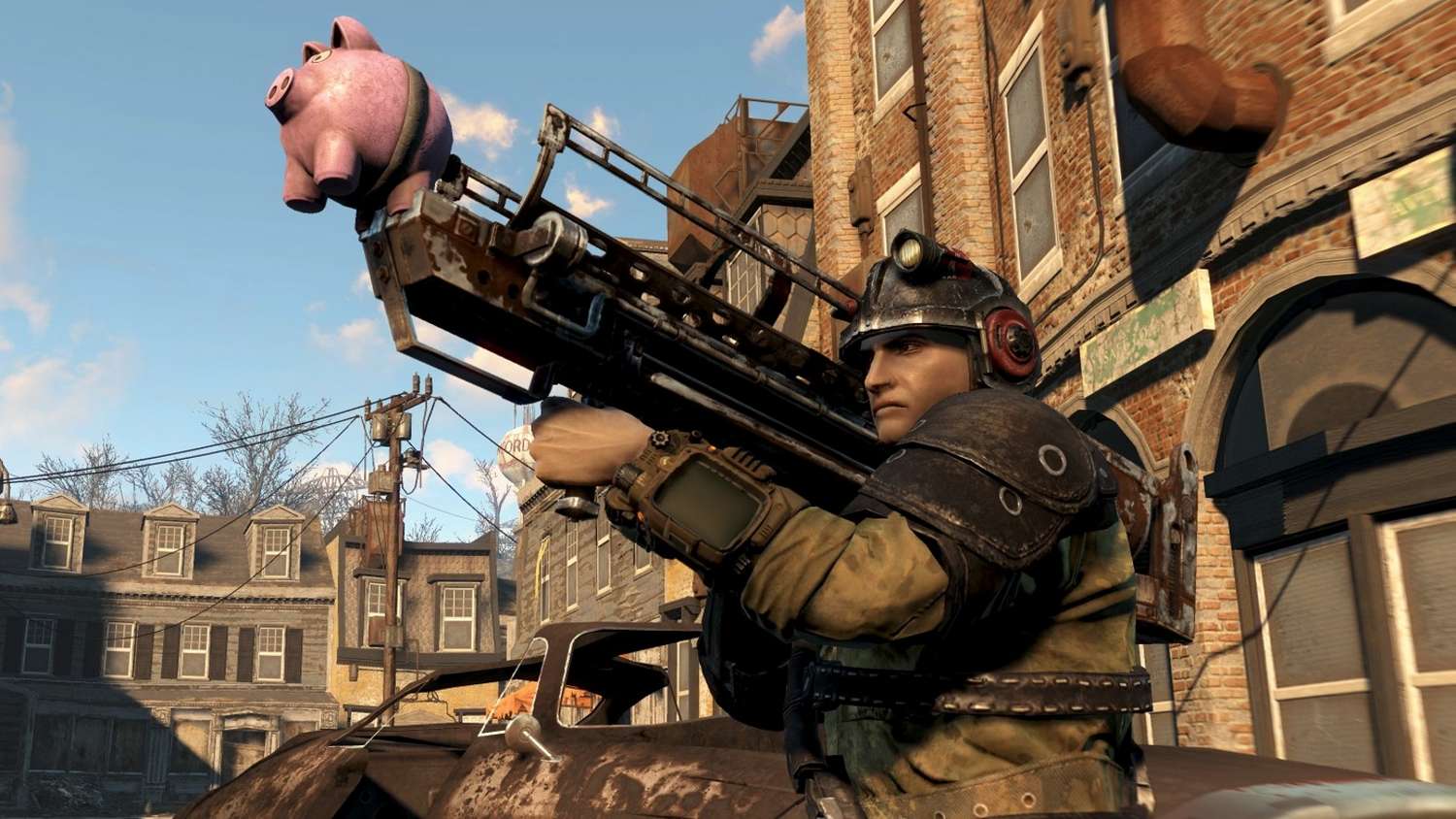
The introduction of the Settlement Building system was a major departure for the series. Though polarizing for some traditionalists, it created a compelling survival RPG loop that extended far beyond the main questline. Players could craft and manage their own post-apocalyptic communities, adding a deep layer of resource management and persistent world interaction.
- Player Retention: This mechanic provided a powerful hook for players seeking sandbox creativity and long-term investment in the game world, significantly boosting average playtime metrics.
Narrative Framework: The Power of Contextual Storytelling
While critiques of the voiced protagonist and primary narrative linearity exist, the game excelled at environmental storytelling and contextual quest design. The detail embedded within every ruined building and abandoned terminal provided a rich, localized narrative that encouraged deep, thoughtful exploration. This attention to detail solidifies Fallout 4 as a benchmark for immersive open-world design.
A Reflective Farewell: Marking the Shift in Bethesda’s Strategy
The anniversary of Fallout 4 carries a weight that transcends its own success. It represents the final major single-player, open-world title from Bethesda Game Studios before the shift towards live-service models (with Fallout 76) and the eventual release of their next major IP, Starfield.
The lessons learned from Fallout 4—particularly the impact of the Creation Engine, the scalability of the Settlement System, and the immense power of the modding community—have undoubtedly influenced Bethesda’s subsequent projects. However, the unique, sprawling, and fundamentally single-player nature of the Commonwealth stands as a monument to a past approach to RPG design.
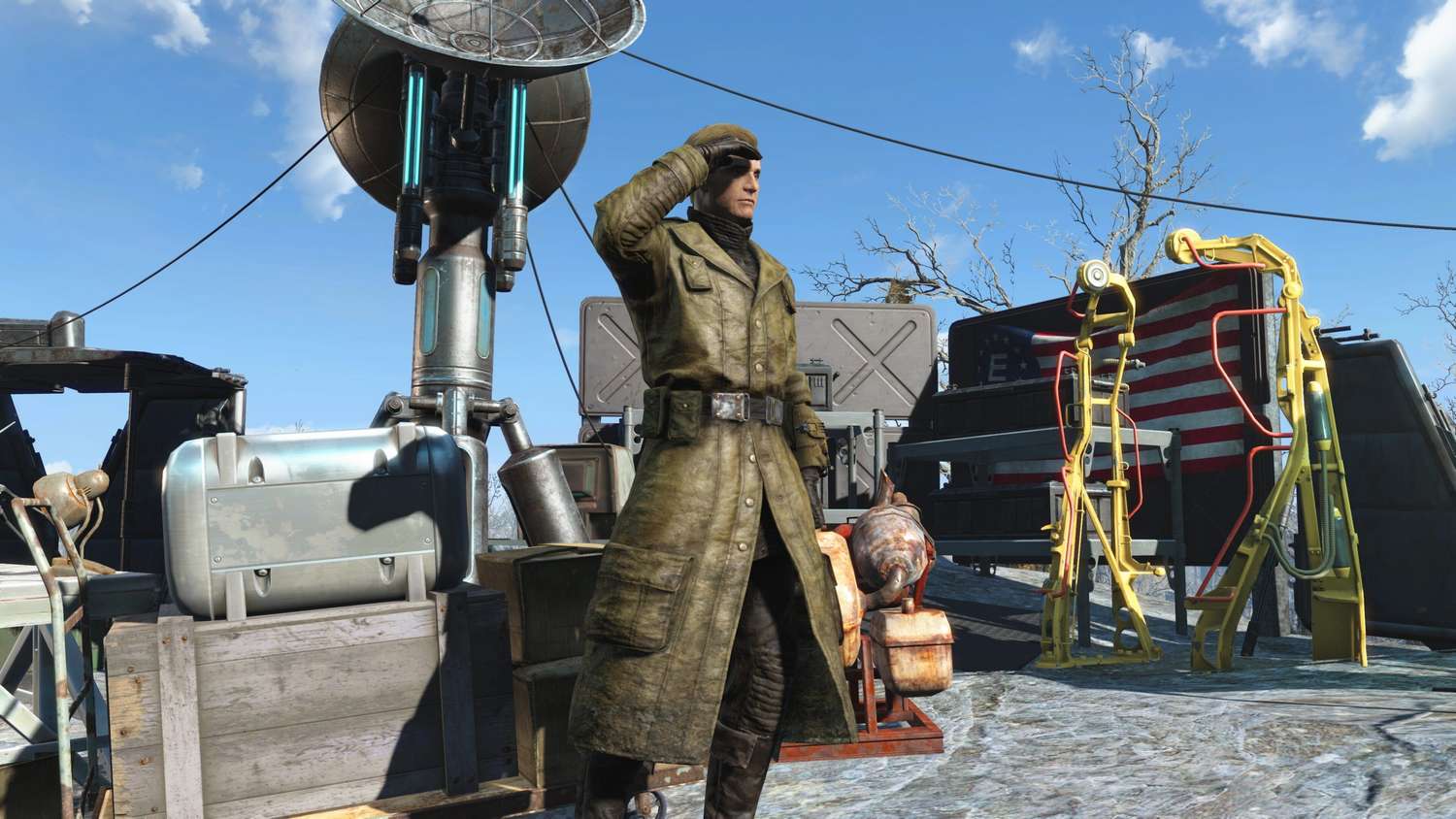
This period of development, marked by the vast scale of Fallout 4 and its immediate predecessor Skyrim, defined an entire generation of AAA open-world titles. Its eighth anniversary therefore signals a reflective farewell to that concentrated period of single-player development, encouraging players to look back while anticipating the new frontiers set by the latest releases.