
Exclusive: Director Scott Derrickson Sets High Bar for ‘Black Phone 3’ — “It Must Be Better Than the First Two”










Popular Now
 Free Fire
 Valorant
 Poppy Playtime
 God of War Ragnarök
 Sonic the Hedgehog™ Classic
 Fall Guys
 Genshin Impact
 Candy Crush Saga
 Rust
Rust
 R.E.P.O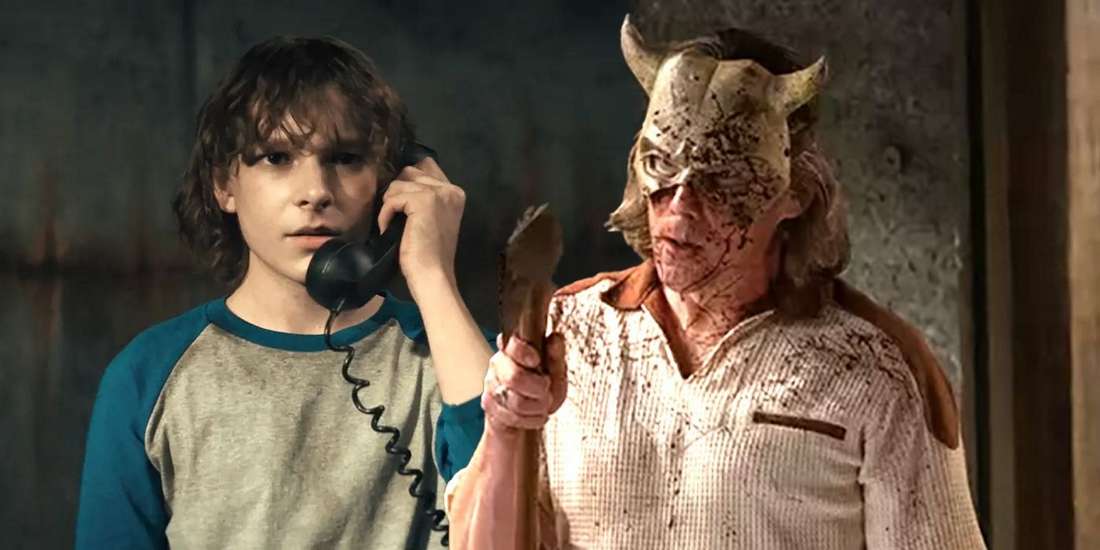
The highly-anticipated horror sequel, Black Phone 2, has just hit theaters, delivering a chilling supernatural continuation of the terrifying tale of The Grabber. Following its strong box office performance and the renewed public appetite for high-quality, character-driven horror, speculation about a potential third installment, Black Phone 3, is already running rampant. However, director and co-writer Scott Derrickson has made it clear that a trilogy-closer is far from a guaranteed “corporate money grab.”
In recent interviews, Derrickson has laid out a stringent condition for moving forward with Black Phone 3, emphasizing that the primary justification for a sequel must be a genuine attempt to surpass its predecessors. This commitment to quality over commerce is a rare and welcome stance in the modern horror movie franchise landscape.
 The Staggering Condition for a Third Call
 The Staggering Condition for a Third Call
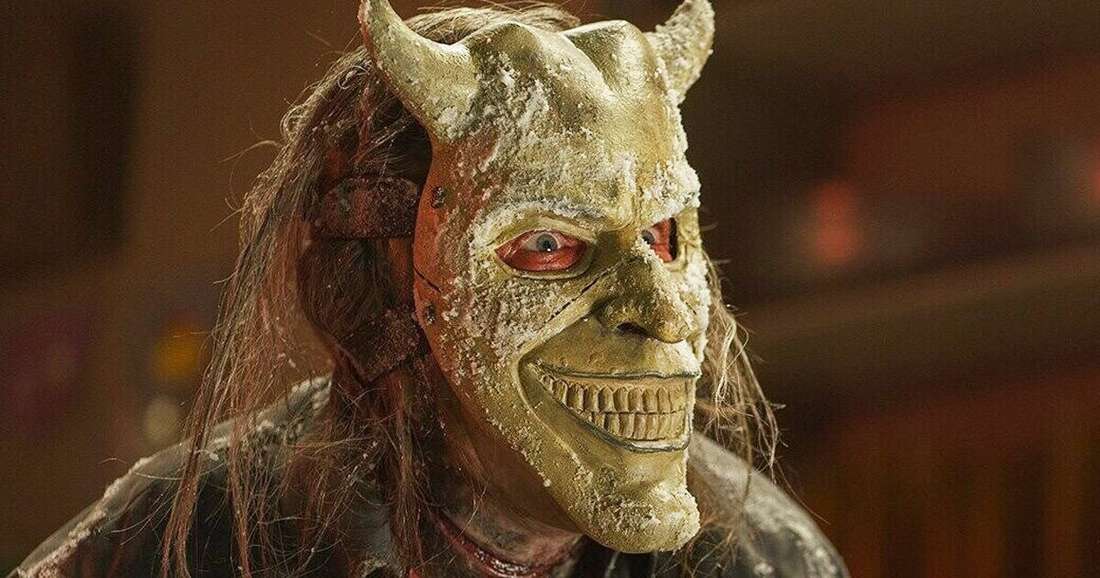
Derrickson’s philosophy is simple yet demanding: a third film must elevate the series, a challenge he notes few trilogies in cinema history have successfully met. He pointed to classic examples like Evil Dead and Night of the Living Dead as the rare exceptions where each entry genuinely improved upon the last.
Derrickson’s Key Requirement for Black Phone 3:
- Unwavering Quality: The film must be “better than the second one, which is better than the first one.”
- No Retreads: The narrative cannot simply rely on establishing “new lore” for The Grabber and repeating the formula. It must be innovative and creatively push the boundaries of the story.
- Creative Justification: The primary motivation must be a compelling, inventive story idea, not just box office potential, a sentiment echoed by lead actor Ethan Hawke, who generally harbors skepticism about sequels.
The Grabber’s Journey to the Supernatural
The first film, based on a short story by Joe Hill (Stephen King’s son), ended with Finney Blake defeating the flesh-and-blood killer, The Grabber. The success of the original, an unexpected $161 million worldwide hit against a modest budget, immediately sparked sequel discussions. However, Derrickson was initially hesitant, believing the story was complete.
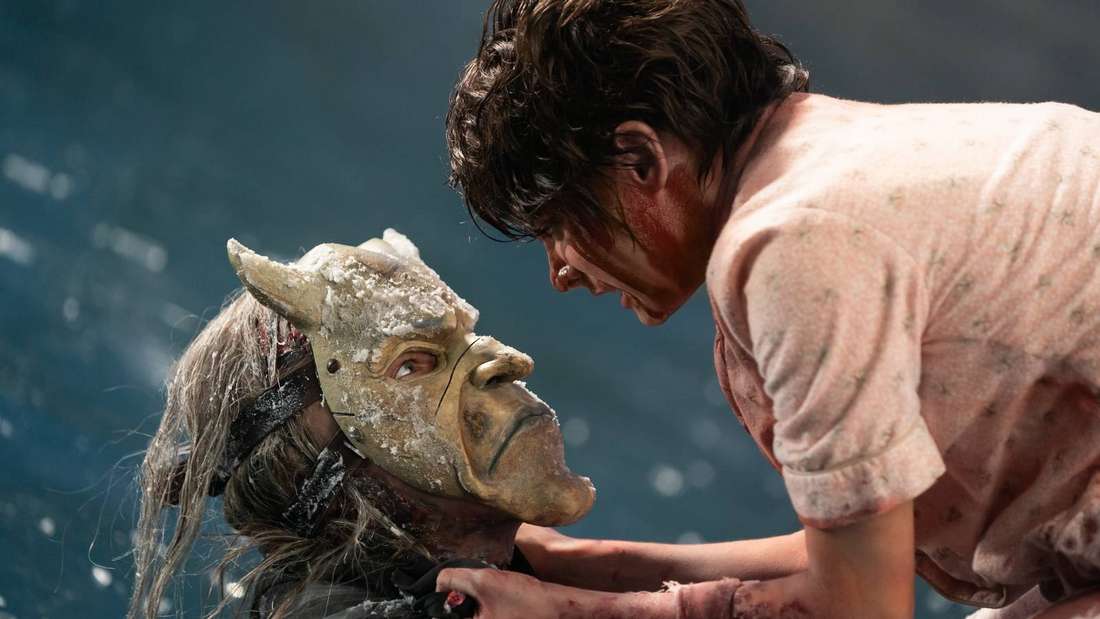
The turning point for Black Phone 2 came from a pitch by Joe Hill himself, which introduced a supernatural element: “The Grabber calls Finn from hell.” This shift, which reimagines Ethan Hawke’s iconic villain as a Freddy Krueger-esque threat from beyond the grave, provided the necessary creative spark. The sequel, co-written by Derrickson and C. Robert Cargill, also delves deeper into the chilling backstory of The Grabber and his connection to the Blake family, particularly the death of Finney and Gwen’s mother, adding an emotional “spinal cord” to the narrative.
The sequel, a gorier, R-rated venture compared to the first’s PG-13 rating, has been lauded by the director as a conscious decision to evolve the tone and appeal to a broader modern horror audience.
Ethan Hawke’s Dream for the Trilogy
While the director focuses on the narrative quality, the man behind the chilling mask, Ethan Hawke, has his own compelling vision for a third chapter. Hawke, who initially expressed reservations about sequels, was swayed by Derrickson’s clear commitment to a non-commercial, artistically ambitious follow-up.
Hawke’s “Dream” Scenario for Black Phone 3:
- A Trip to Hell: “I would like to go to hell with the Grabber.”
- Character Deep Dive: He envisions a character piece that explores what truly “made him, who he is now,” and how The Grabber is haunting the dreams of others.
This suggests an even deeper dive into the villain’s psyche and the supernatural realm established in the second film, potentially offering a unique and complex conclusion to the trilogy.
 Box Office Success and High-Stakes Future
 Box Office Success and High-Stakes Future
Black Phone 2’s box office opening was a significant win for Blumhouse and Universal Pictures, demonstrating that the appetite for this specific brand of horror is strong. The film’s successful debut, coupled with critical praise for its innovative approach, places immense pressure on the creators to deliver a third film that lives up to the director’s high standards.
The immediate conversation surrounding Black Phone 3 is less about if it will be made and more about how. Given Derrickson and Cargill’s track record of turning a hesitant “no” into a creatively rich “yes” based on an exceptional idea, the future of the franchise rests on finding a concept so compelling, so innovative, that it genuinely justifies its existence. It must not only satisfy the global box office but also meet the director’s personal mandate to craft a superior piece of filmmaking, ensuring the franchise avoids the pitfall of becoming just another predictable high CPC horror title.
For now, fans are left to contemplate what truly terrifying new direction would allow Finney, Gwen, and the specter of The Grabber to return for a concluding chapter that is, by Derrickson’s own measure, a masterpiece in its own right.
Stay tuned for more updates on the potential development of Black Phone 3.