
D&D’s Forgotten Realms: A Deep Dive into Its Enduring Majesty and Persistent Flaws








Popular Now
 Valorant
 Brawl Stars
Black Myth: Wukong
Brawl Stars
Black Myth: Wukong
 Roblox
 Candy Crush Saga
 Free Fire
 Toca Boca World
 Fortnite
 Sonic the Hedgehog™ Classic
 Call of Duty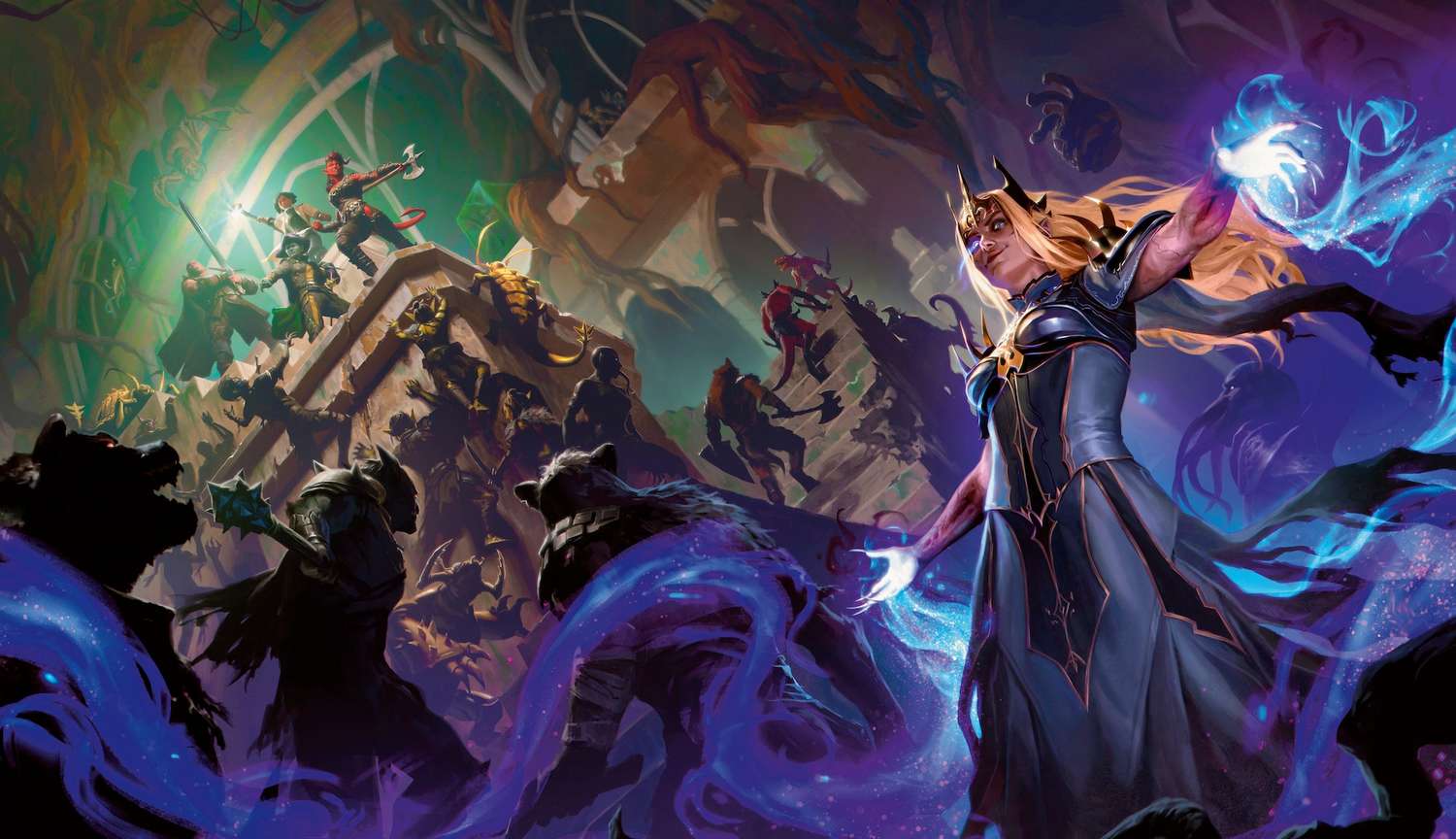
D&D’s Forgotten Realms: A Deep Dive into Its Enduring Majesty and Persistent Flaws
The Forgotten Realms, Dungeons & Dragons’ most iconic and extensively developed campaign setting, continues to captivate millions of tabletop role-playing enthusiasts globally. In its latest iterations, Wizards of the Coast has demonstrably poured significant resources into evolving this beloved fantasy world, aiming to both honor its rich legacy and introduce contemporary elements. While the current state of the Realms undeniably offers unparalleled depth and an immersive player experience, a critical review reveals a nuanced landscape where its towering strengths soar above a handful of persistent, albeit often manageable, issues.
For decades, the Forgotten Realms has served as the default setting for countless D&D adventures, a testament to its robust world-building and the sheer volume of lore accumulated since its inception. This extensive history is both its greatest asset and, occasionally, its most significant challenge. The sheer breadth of published material allows Dungeon Masters (DMs) and players alike to weave intricate narratives, populated by iconic characters, formidable factions, and a tapestry of diverse cultures. The depth of lore provides an almost infinite wellspring for unique campaign ideas, making it incredibly appealing for both veteran players seeking nuanced stories and new players eager to explore a ready-made, vibrant world.
The Majestic Ascent: Unpacking Forgotten Realms’ Strengths
One of the primary reasons the Forgotten Realms continues to ascend in popularity is its remarkable accessibility, despite its vastness. Recent D&D 5th Edition (5e) core books and adventure modules have done an admirable job of distilling key elements, allowing new players to jump in without feeling overwhelmed by decades of intricate history. Adventures like Curse of Strahd (though set in Barovia, often integrated with Realms lore), Baldur’s Gate: Descent Into Avernus, and the upcoming storylines continually demonstrate a commitment to engaging narrative design within established locales, providing memorable quests and compelling character development opportunities.
Furthermore, the digital integration offered by platforms like D&D Beyond significantly enhances the player experience. Access to compendiums, character builders, and adventure tools streamline gameplay, reducing the barriers to entry and making the management of complex campaign elements far more efficient. This commitment to digital enhancement underscores Wizards of the Coast’s understanding of modern gaming trends and player expectations, ensuring the Forgotten Realms remains a competitive and highly valued fantasy setting in the digital age. The robust community engagement, fostered through online forums, streaming actual-play sessions, and official events, further solidifies its position as a dynamic and evolving shared universe, creating a high-CPC environment for related content and products.
The versatility of the Forgotten Realms is another undeniable strength. From the bustling metropolises of Waterdeep and Baldur’s Gate to the treacherous Underdark and the exotic lands of Chult, the setting offers an unparalleled variety of environments and cultural backdrops. This diversity empowers DMs to craft virtually any type of fantasy adventure, from gritty dungeon crawls and high-stakes political intrigue to epic quests and morally ambiguous tales. This adaptability ensures high replayability and keeps the setting fresh for long-term campaigns, providing excellent value proposition for both players and content creators.
- Rich, Expansive Lore: Decades of source material create an unparalleled depth for world-building.
- Accessible Entry Points: 5e streamlines lore for new players while retaining complexity for veterans.
- Digital Integration: D&D Beyond significantly enhances gameplay management and accessibility.
- Diverse Settings: Vast geographical and cultural variety supports myriad adventure styles.
- Strong Community: Active fan base drives ongoing engagement and content creation.
Persistent Undercurrents: Addressing the Realms’ Enduring Issues
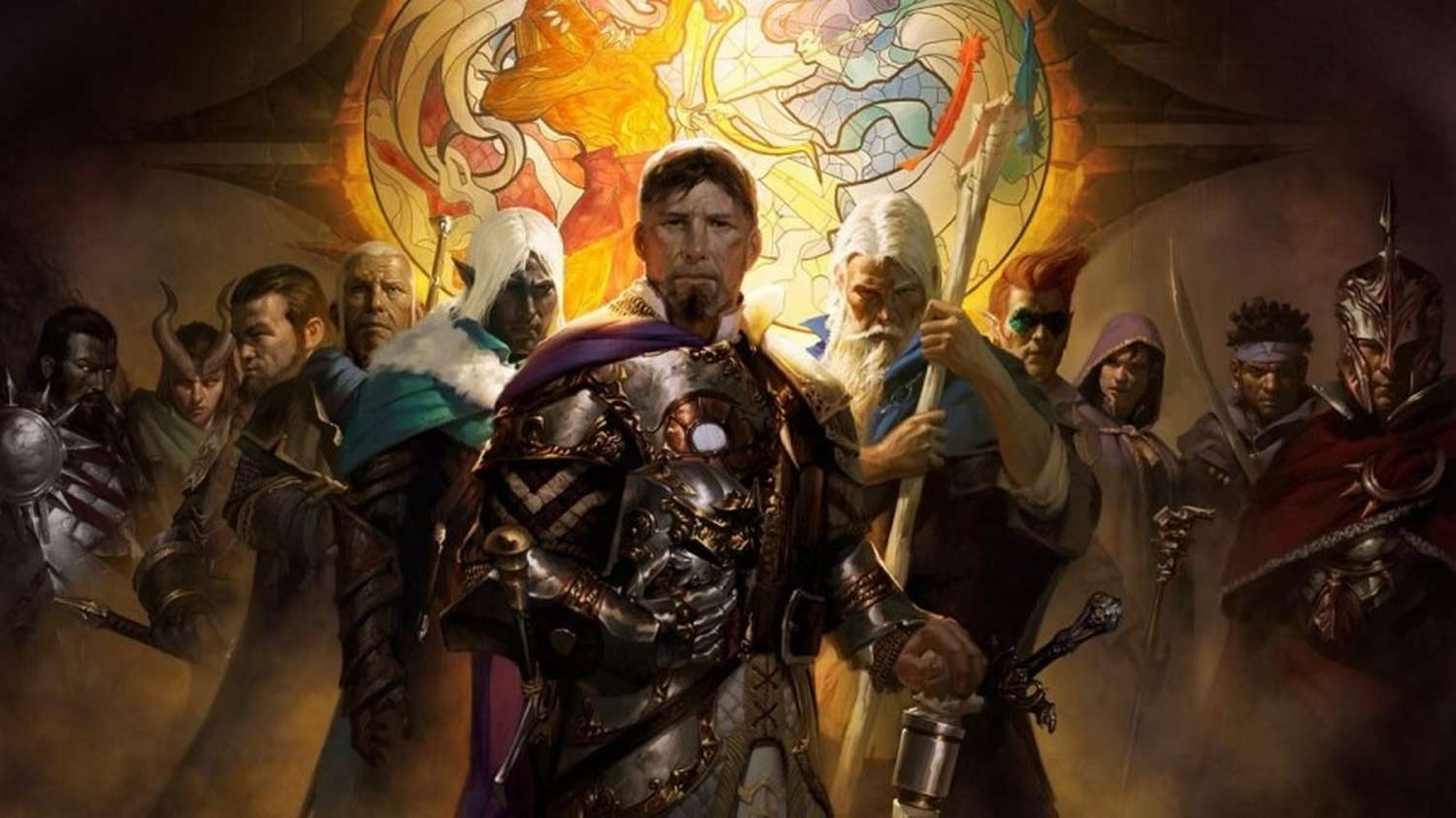
Despite its many triumphs, the Forgotten Realms is not without its areas for improvement, issues that sometimes prevent it from achieving its full potential. One recurring critique revolves around the very lore that gives it strength: lore bloat. For DMs, especially those new to the setting, navigating the sheer volume of history, deities, and powerful NPCs can be daunting. While recent efforts have streamlined things, the weight of continuity can stifle creative freedom, as DMs might feel pressured to adhere to established canon rather than forging their own unique paths within the world.
Another common point of contention is the balance of power within the setting. Over the years, numerous high-level NPCs and world-shattering events have elevated the power ceiling to such an extent that player characters can sometimes feel overshadowed. This can make it challenging for DMs to create compelling threats that feel truly impactful without resorting to increasingly cosmic stakes, potentially leading to a sense of scale fatigue. Balancing the epic with the personal remains a delicate act in the Forgotten Realms.
Furthermore, while the setting is praised for its diversity, some critics point to areas where its representation could evolve. Early iterations of the Forgotten Realms, like many fantasy settings of its era, sometimes perpetuated stereotypes or lacked nuanced portrayals of certain cultures and peoples. Wizards of the Coast has made commendable strides in recent years to address these issues, promoting more inclusive storytelling and revising problematic elements. However, the legacy of these earlier narratives occasionally surfaces, requiring careful handling by DMs and players to ensure a truly equitable and respectful gaming experience.
- Lore Bloat & Continuity Constraints: The vast history can be overwhelming and limit DM creativity.
- Power Creep & NPC Dominance: High-level NPCs can overshadow player agency and impact.
- Historical Representation Issues: Past portrayals sometimes require revision for modern inclusivity.
- Pacing and Stakes: Maintaining consistent narrative tension amidst epic events can be challenging.
- Commercialization & Pricing: The cost of numerous sourcebooks and modules can be a barrier for some enthusiasts.
Navigating the Current Landscape: A Refined Experience
Ultimately, Dungeons & Dragons’ big look at the Forgotten Realms in its current form represents a triumph of continuous development and community engagement. The meticulous world-building, combined with a clear understanding of what makes tabletop gaming compelling, allows the setting to soar beyond its inherent complexities. The issues identified are often symptoms of its very success – the depth of lore, the abundance of powerful figures, and the sheer volume of content. These are not insurmountable flaws but rather opportunities for DMs to exercise their creativity and for Wizards of the Coast to continue refining their approach to game design and narrative presentation.
The Forgotten Realms remains an essential pillar of the D&D experience, offering a rich, rewarding, and endlessly customizable backdrop for adventure. Its persistent issues, when acknowledged and addressed thoughtfully by both creators and players, serve only to highlight the incredible potential and enduring appeal of this legendary fantasy world. For anyone looking to dive deep into a vibrant, ever-evolving RPG campaign, the Realms stands ready to deliver an experience that, for all its intricate contours, truly soars.