
Blizzard Backtracks: Overwatch 2 to Revert Controversial Season 19 Competitive Stadium Change After Intense Player Pushback









Popular Now
 CarX Street
 Schedule I
 Poppy Playtime
 BeamNG.drive
 Free Fire Max
 Stumble Guys
 The Legend of Zelda
 Garena Free Fire: Kalahari
 Fall Guys
 Gacha Club
Blizzard Entertainment is reportedly preparing a mid-season patch for Overwatch 2 Season 19 to address one of the most vociferously criticized updates to its popular Competitive Stadium mode. The controversy stems from a dramatic shift in the ranked format, which saw the competitive ruleset for the mode reduced from a Best-of-Seven (Bo7) to a Best-of-Five (Bo5). This change, implemented at the start of Season 19 on October 14, 2025, was intended to shorten match length and increase player throughput, but has instead been met with overwhelming negative feedback from the dedicated Stadium player base, severely impacting player satisfaction and the competitive integrity of the mode.
Sources close to the development team suggest that the sheer volume and severity of player complaints across official forums and social media have prompted an immediate internal review. The change to Best-of-Five was perceived by many high-ranking players as fundamentally undermining the strategic depth of Stadium, a mode defined by its unique hero perks, build-crafting, and the ability for teams to adapt over longer, drawn-out matches. The imminent reversal highlights the critical role of community feedback in the continuous evolution of live-service games and the delicate balance required when modifying core esports gameplay elements.
📉 Why the Bo5 Format Failed in Competitive Stadium
The introduction of the Best-of-Five format in the Competitive Stadium playlist was a calculated risk by the development team. The primary goal was to make ranked matches less time-consuming, bringing the match length closer to the Quick Play version of Stadium. However, for a mode that relies heavily on strategic escalation, the shorter format proved disastrous for the meta and overall experience. The most expensive and highest impact Stadium Perks and Epic Items, which often took several rounds to fully come online, were effectively devalued.
The core issues driving the player frustration can be summarized as follows:
- Diminished Strategic Depth: In the original Best-of-Seven, teams had ample time to scout the enemy’s build, purchase appropriate counters, and execute multiple build phases. The Bo5 structure forces rapid-fire decision-making, reducing the emphasis on long-term strategy and favoring purely aggressive, early-game compositions.
- Devaluation of Late-Game Builds: Many powerful Ultimate Items and Major Perks, which represented a high gold investment and were the hallmark of a successful late-game build, became less viable. Winning the early rounds became disproportionately important, making snowballing significantly easier and comebacks nearly impossible, which severely decreased the excitement of the high-stakes competition.
- Pacing and Identity Crisis: Players felt the competitive version of Stadium had lost its unique, satisfyingly long, and intense pacing. The change effectively made the competitive playlist feel like a slightly more structured Quick Play, eroding the distinction that had made Stadium a beloved, separate ecosystem within Overwatch 2. This is a major concern for developers focusing on player retention metrics and the long-term health of the mode.
 Blizzard’s own data likely showed a drop in the average match length, but this was apparently achieved at the cost of player enjoyment and engagement hours, a trade-off the community was quick to reject.
📢 The Community’s Reaction and Blizzard’s Swift Response
The player base’s reaction was immediate and unified. Threads on the official Overwatch 2 forums and popular gaming subreddits saw high engagement, with the consensus being that the Season 19 change “ruined” Competitive Stadium. Many top-ranked players and content creators voiced their intentions to quit the mode entirely until the format was corrected. This swift and decisive collective feedback is a powerful demonstration of the current influence of a dedicated gamer community on the development priorities of a major AAA title.
The developers, long known for their commitment to competitive integrity, appear to have taken the criticism seriously. The reversal is not just a simple re-addition of two rounds; it is a vital affirmation that the unique, scalable, and strategic nature of Stadium is what its players value most. While the new additions of Stadium Gadgets and new heroes like Torbjörn and Hazard have been generally well-received this season, the format change overshadowed them entirely.
Expected Changes in the Mid-Season Patch:
Return to Best-of-Seven (Bo7): The core competitive format is expected to revert back to the original Bo7 ruleset, restoring the extended match length crucial for build optimization and tactical resets.
Potential Perk Adjustments: To ensure a smooth transition back to the longer format, there may be accompanying minor adjustments to the power and cost of key Major Perks and Ultimate Items to prevent any unintended imbalances.
Focus on Gadget Integration: The focus will shift to how the newly introduced Stadium Gadgets integrate with the Bo7 structure, adding an additional layer of complexity to the mode’s high-level play.
🚀 The Future of Stadium and High-Value Gaming Content
The controversy surrounding the Bo5 change serves as a potent learning moment for Blizzard Entertainment regarding the Stadium mode. The high-value search terms associated with this mode—such as “Best Overwatch 2 Builds,” “Competitive Stadium Meta,” and “New Overwatch 2 Perks”—clearly indicate that players are deeply invested in the strategic depth that the longer format provided.
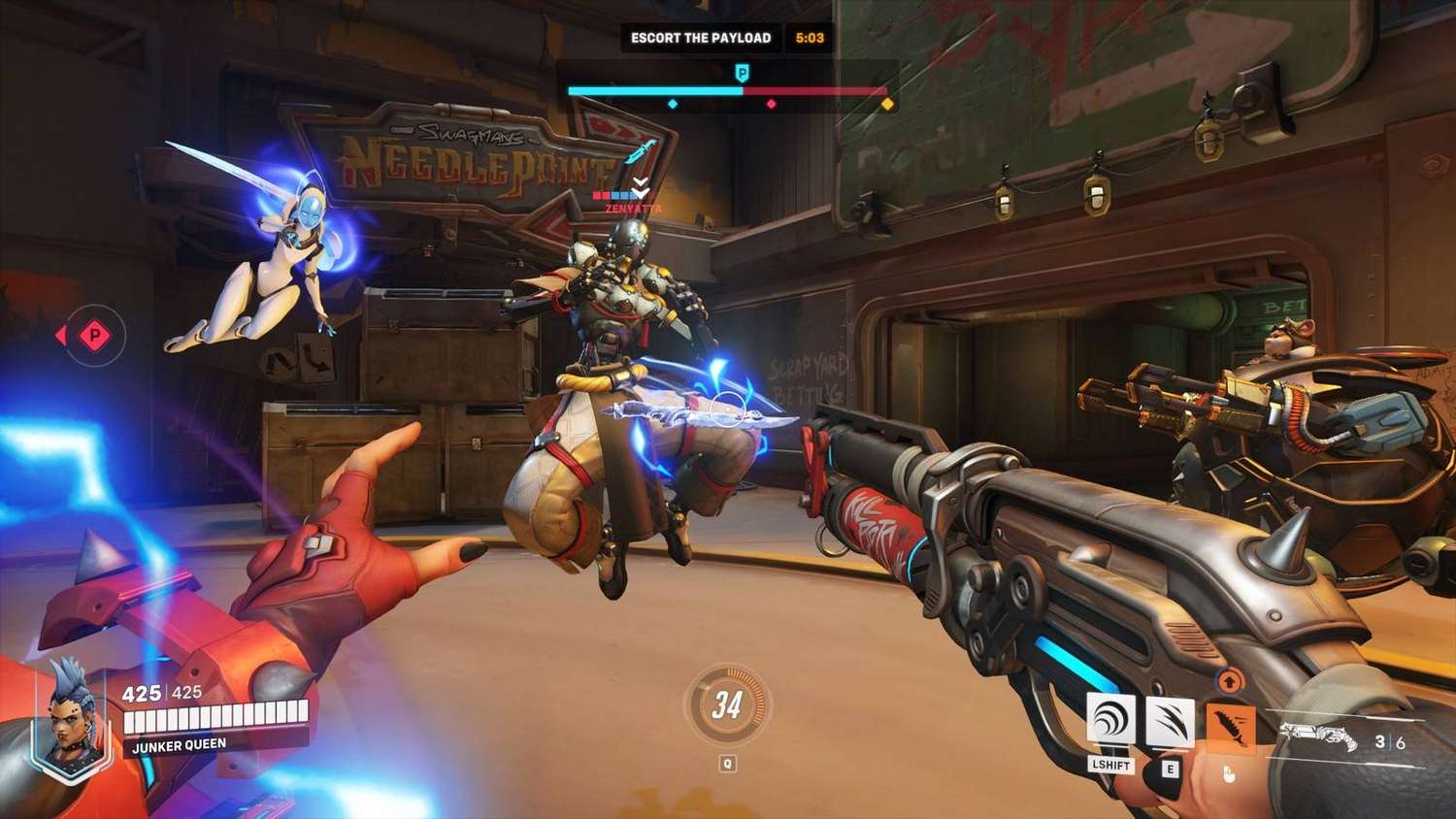 Moving forward, the development focus for Stadium is likely to lean heavily into content that enhances strategic complexity, which translates directly into high-value gaming content for streamers and high SEO performance for news outlets. The successful reversion to the Best-of-Seven format is critical for maintaining the mode’s appeal as a truly different competitive experience from the standard 5v5 Quick Play and Ranked modes.
This commitment to community-driven development should stabilize the competitive ecosystem of Stadium and reaffirm its position as a significant component of the Overwatch 2 experience. Players are now eagerly awaiting the official patch notes, hopeful that their favorite high-octane shooter mode will soon return to its former strategic glory. The developer’s willingness to admit and quickly correct a major structural error is a positive sign for the future of Overwatch 2’s experimental game modes.