
Final Fantasy 17: Unveiling the Unseen – Navigating Immense Fan Expectations for a Non-Existent Masterpiece








Popular Now
Valorant
PUBG Mobile
 Roblox
 Toca Boca World
 CarX Street
 Rust
Rust
 The Legend of Zelda
 Black Myth: Wukong
 Counter-Strike 2
Geometry Dash
Counter-Strike 2
Geometry Dash 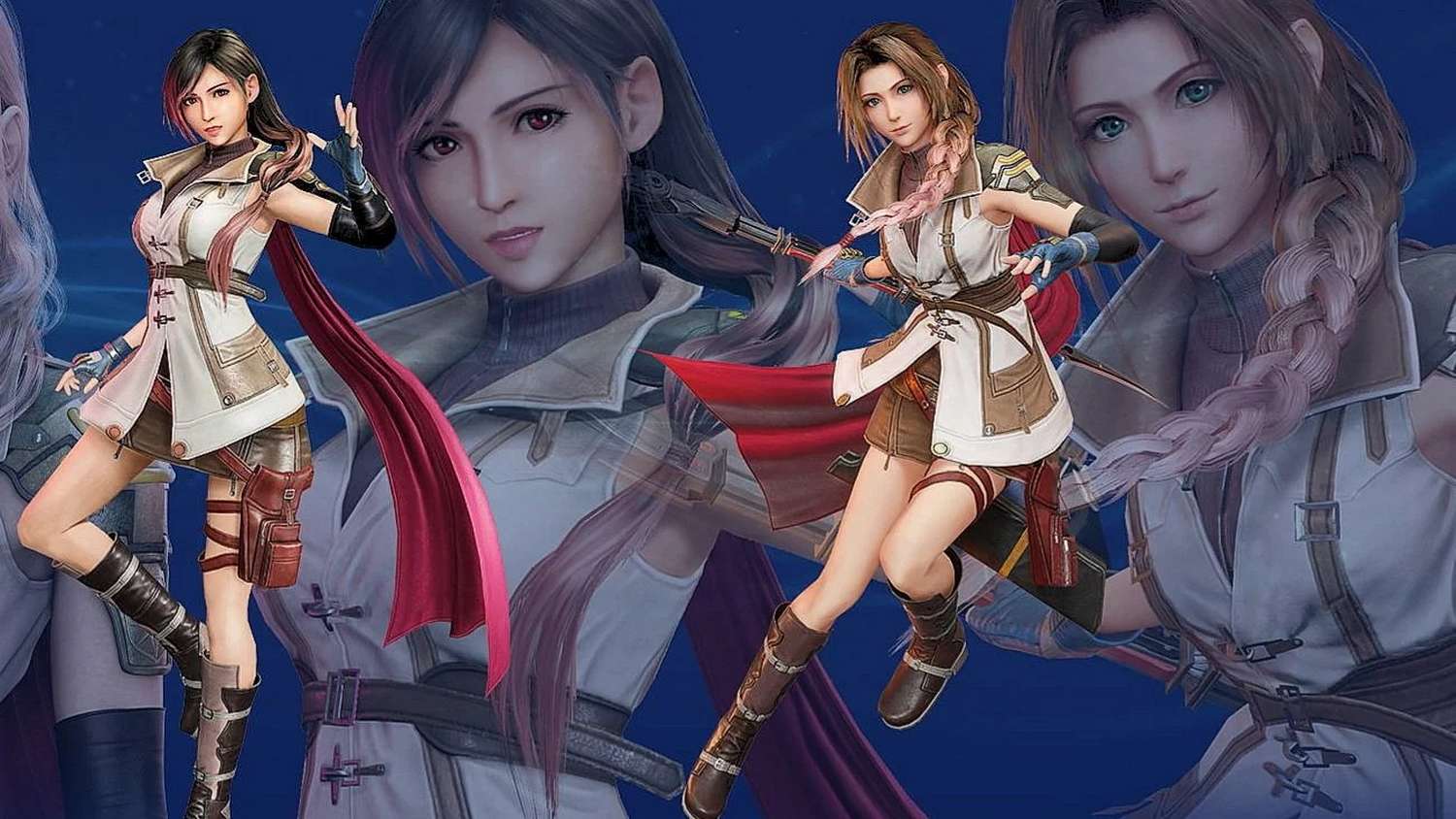
The gaming world often buzzes with anticipation for announced titles, but few franchises command the pre-emptive fervor seen for Square Enix’s flagship JRPG series, Final Fantasy. The latest entry, Final Fantasy XVI, while still fresh in the minds of players and critics, has already set a formidable precedent. Yet, even before its conceptualization, ‘Final Fantasy XVII’ has unwittingly become a vessel for colossal fan expectations, a phenomenon rarely observed for a title that doesn’t even officially exist. This intricate web of legacy, innovation, and diverse player desires creates an almost impossible standard for any future iteration of the beloved franchise.
The Unbearable Weight of a Storied Legacy
Final Fantasy is not merely a series of games; it is a cultural cornerstone of the video game industry. Spanning decades, its lineage boasts titles that have redefined genres, pushed technological boundaries, and delivered some of the most emotionally resonant narratives in gaming history. From the revolutionary active time battle system of Final Fantasy VII to the MMORPG resurgence of Final Fantasy XIV, and the ambitious open-world design of Final Fantasy XV, each installment has left an indelible mark. This rich tapestry means that ‘Final Fantasy XVII’ isn’t just a new game; it’s the next chapter in an epic saga, and fans expect nothing less than a significant evolution.
- Historical Impact: The enduring appeal of classic entries like Final Fantasy VII and X means nostalgia plays a huge role in expectations.
- Recent Innovations: The shift towards action-oriented combat in FF15 and FF16 signals a departure for some, and a welcome evolution for others.
- Brand Reputation: Square Enix’s reputation for high-quality production values and narrative depth is a double-edged sword, setting an incredibly high bar.
Evolving Gameplay Mechanics: The Action RPG Conundrum
One of the most intensely debated aspects within the Final Fantasy community revolves around its evolving combat system. Traditionally turn-based, the series has progressively embraced real-time action RPG mechanics, culminating in the fully action-focused combat of Final Fantasy XVI. This shift has alienated a segment of long-time fans who yearn for the strategic depth of traditional command-based battles, while simultaneously attracting a new audience accustomed to more dynamic gameplay. For Final Fantasy XVII, the developers face a monumental task: how to innovate without disenfranchising core players, and how to define its own combat identity.
Narrative Depth and Character Arcs: A Core Pillar of Final Fantasy
Beyond gameplay, the soul of any Final Fantasy title lies in its storytelling and character development. Fans expect intricate plots, profound thematic explorations, and a cast of memorable characters whose journeys resonate deeply. From the complex political intrigue of Ivalice to the personal struggles of Cloud Strife and Tidus, compelling narratives are non-negotiable. For FF17, the pressure will be immense to craft an epic storyline that is both fresh and familiar, avoiding clichés while delivering the emotional impact that defines the series. The demand for nuanced character portrayals, impactful choices, and a world worth saving will be paramount.
Technological Prowess and Visual Fidelity: Next-Gen Expectations
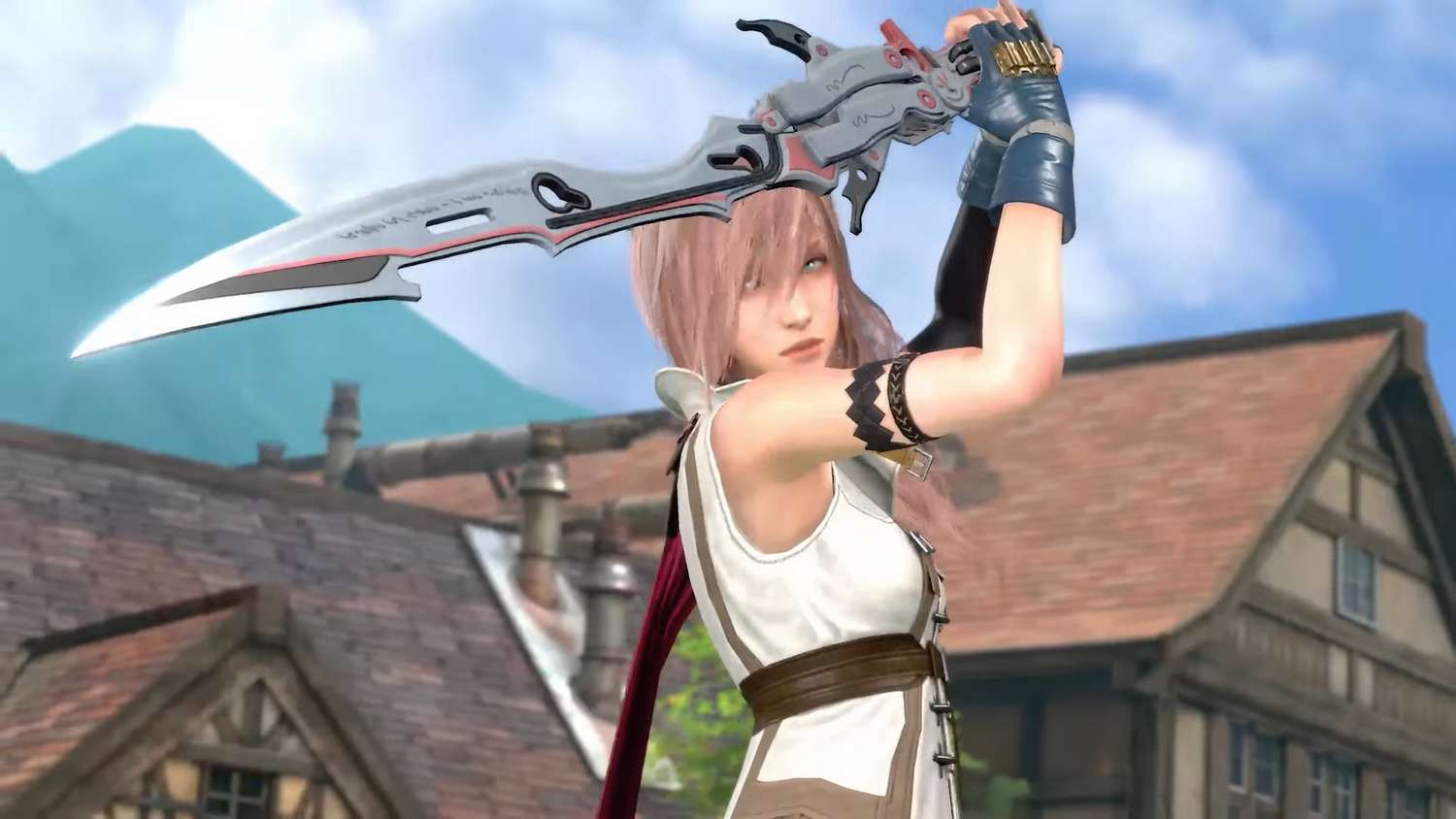
Each mainline Final Fantasy installment has historically served as a benchmark for graphical fidelity and technological innovation. From the dazzling cutscenes of the PlayStation era to the expansive worlds rendered on modern consoles, Square Enix has consistently pushed the envelope. With current-generation consoles like the PlayStation 5 and Xbox Series X now firmly established, fan expectations for Final Fantasy XVII’s visual presentation are sky-high. Players will anticipate breathtaking environments, intricate character models, seamless transitions, and perhaps even revolutionary new gameplay technologies. The push for ultra-realistic graphics combined with fantastical art direction will demand significant investment in game development and engine optimization.
The Musical Landscape: Soundtracks That Define Generations
The evocative power of Final Fantasy’s soundtracks is legendary. Composers like Nobuo Uematsu, Masashi Hamauzu, and Soken have crafted iconic scores that are as memorable as the games themselves. Music is integral to the series’ emotional impact, enhancing every triumph, tragedy, and quiet moment. For Final Fantasy XVII, the choice of composer and the direction of the musical score will be under intense scrutiny. Fans expect a soundtrack that not only complements the game’s world and narrative but also stands as a masterpiece in its own right, capable of invoking the same nostalgia and wonder as its predecessors.
Open World Versus Linear Storytelling: Finding the Right Balance
The modern gaming landscape often prioritizes expansive open-world design, offering players unparalleled freedom and exploration. Final Fantasy XV embraced this trend with mixed results, while Final Fantasy XVI opted for a more guided, yet still broad, action-RPG experience. Final Fantasy XVII will need to carefully consider its world structure. Will it offer a vast, seamless open world brimming with activities, or will it return to a more linear, narrative-driven progression that allows for tighter pacing? The community is divided, with valid arguments for both approaches, making this another critical design decision for the developers.
Beyond Single-Player: The Influence of Online Elements
The immense success of Final Fantasy XIV has proven Square Enix’s capability in the MMORPG space. While the mainline single-player titles have largely remained distinct, the question of integrating online components or live service elements into Final Fantasy XVII will inevitably arise. Fans will keenly watch for any hints of multiplayer modes, ongoing content updates, or other features that extend the game’s lifespan beyond its initial launch. However, there is also a strong desire to preserve the integrity of the single-player experience, ensuring that any online additions do not detract from the core narrative journey.
Community Discourse and Speculative Hype Cycles
Even in its non-existence, Final Fantasy XVII is a constant topic of discussion across gaming forums, social media platforms, and YouTube channels. Fans engage in intricate speculation about potential settings, character archetypes, combat mechanics, and even plot points. This collective imagination creates a potent, self-fulfilling prophecy of hype. Every success or perceived misstep of recent Square Enix titles, especially Final Fantasy XVI, directly feeds into the narrative surrounding FF17. Developers are effectively designing for a phantom audience already equipped with an extensive wishlist and an unwavering passion for the franchise.
Conclusion: The Uncharted Path of Expectation Management
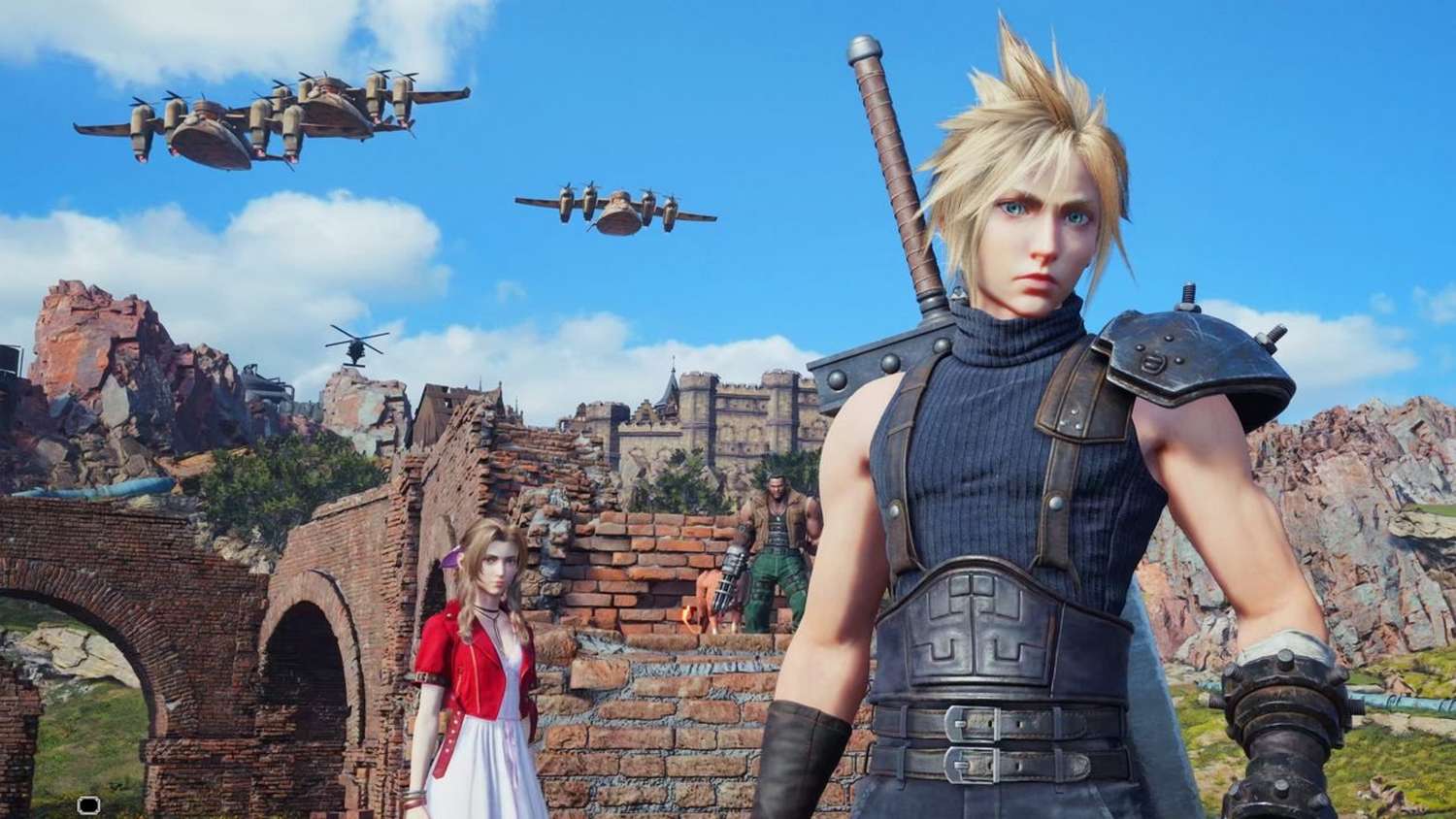
The phenomenon surrounding Final Fantasy XVII is a unique challenge for game development. Square Enix isn’t just tasked with creating a compelling new RPG; they are faced with the herculean task of satisfying a fragmented, highly opinionated, and intensely loyal global fanbase whose expectations have been building for a title that is still years away from even conceptualization. Balancing innovation with tradition, delivering cutting-edge technology, crafting an unforgettable story, and iterating on gameplay will require a delicate touch. For any future development team, understanding and navigating these immense pre-emptive fan expectations will be as crucial as the game design itself. The pressure is already immense, and the silent anticipation for Final Fantasy XVII continues to grow, setting a bar that few games could ever hope to reach.