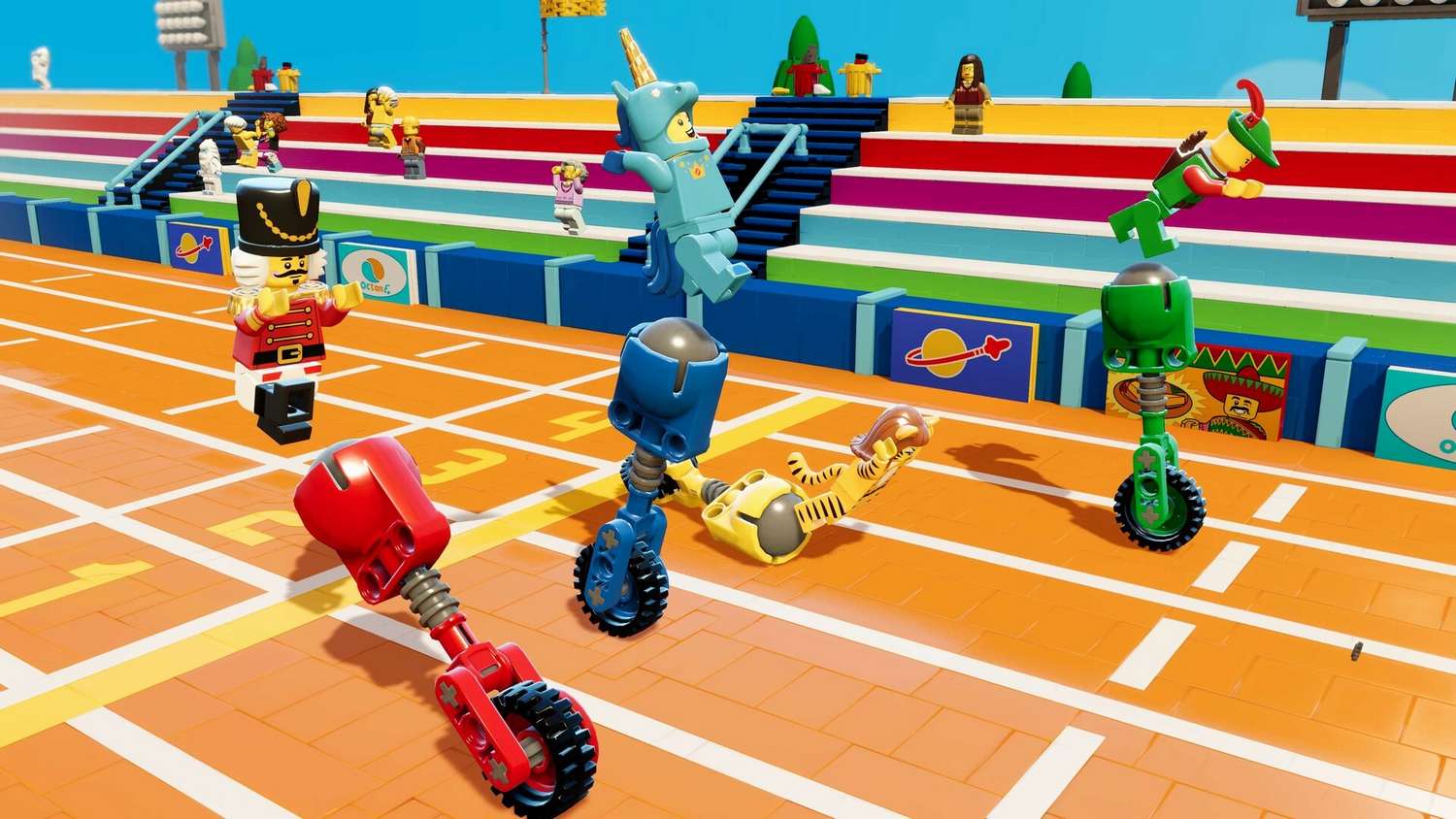
LEGO Party Set to Revolutionize Netflix Games: An Exclusive Deep Dive into the Streaming Giant’s Latest Gaming Endeavor





Popular Now
 EA SPORT FC 25
 Geometry Dash
 God of War Ragnarök
 Auto X Drift Racing 3
 League of Legends
 Valorant
 Rust
Rust
 Gacha Club
Counter-Strike 2
Gacha Club
Counter-Strike 2
 Sonic the Hedgehog™ Classic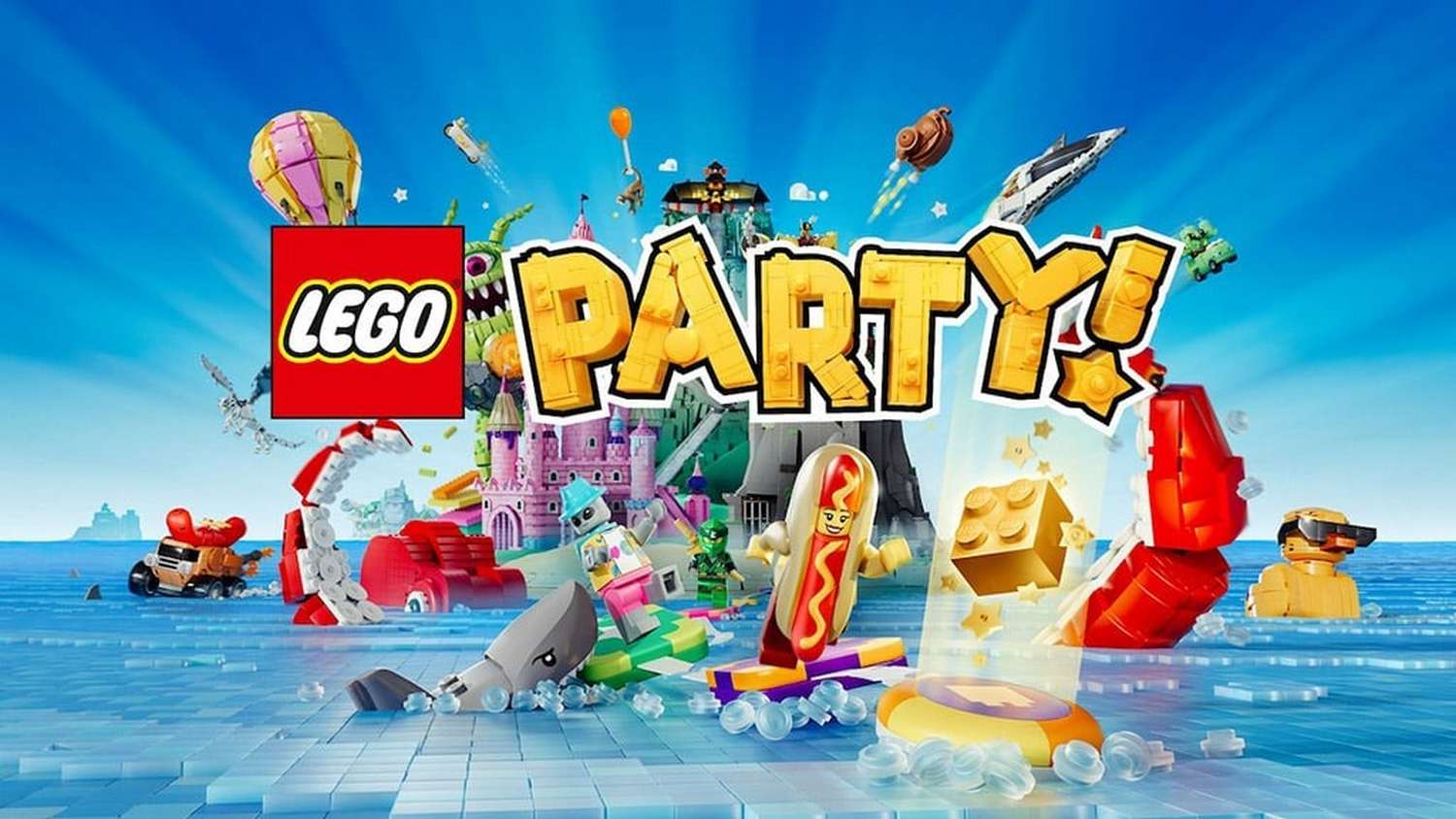
Block by Block: How LEGO Party! Is Revolutionizing Netflix Games’ Pivot to the Living Room Console
The strategic expansion of Netflix Games has just reached a critical inflection point, signaling a bold shift from the mobile phone screen to the living room television. The catalyst for this transformation is the inclusion of LEGO Party!, the wildly popular party game developed by SMG Studio, into the streaming giant’s rapidly expanding catalog. While the game itself has been a hit on consoles, its integration into the Netflix ecosystem—allowing subscribers to play directly on their TV using a smartphone as a controller—is not merely an addition; it is a revolutionary platform move. This initiative, dubbed “Netflix Game Night,” is designed to leverage the streaming service’s massive existing footprint, reduce the friction of gaming entry, and significantly boost subscriber retention by turning the TV into a dedicated, free gaming console. This strategy taps into high-value concepts like cross-platform engagement, social gaming monetization, and streaming-as-a-service (SaaS) entertainment.
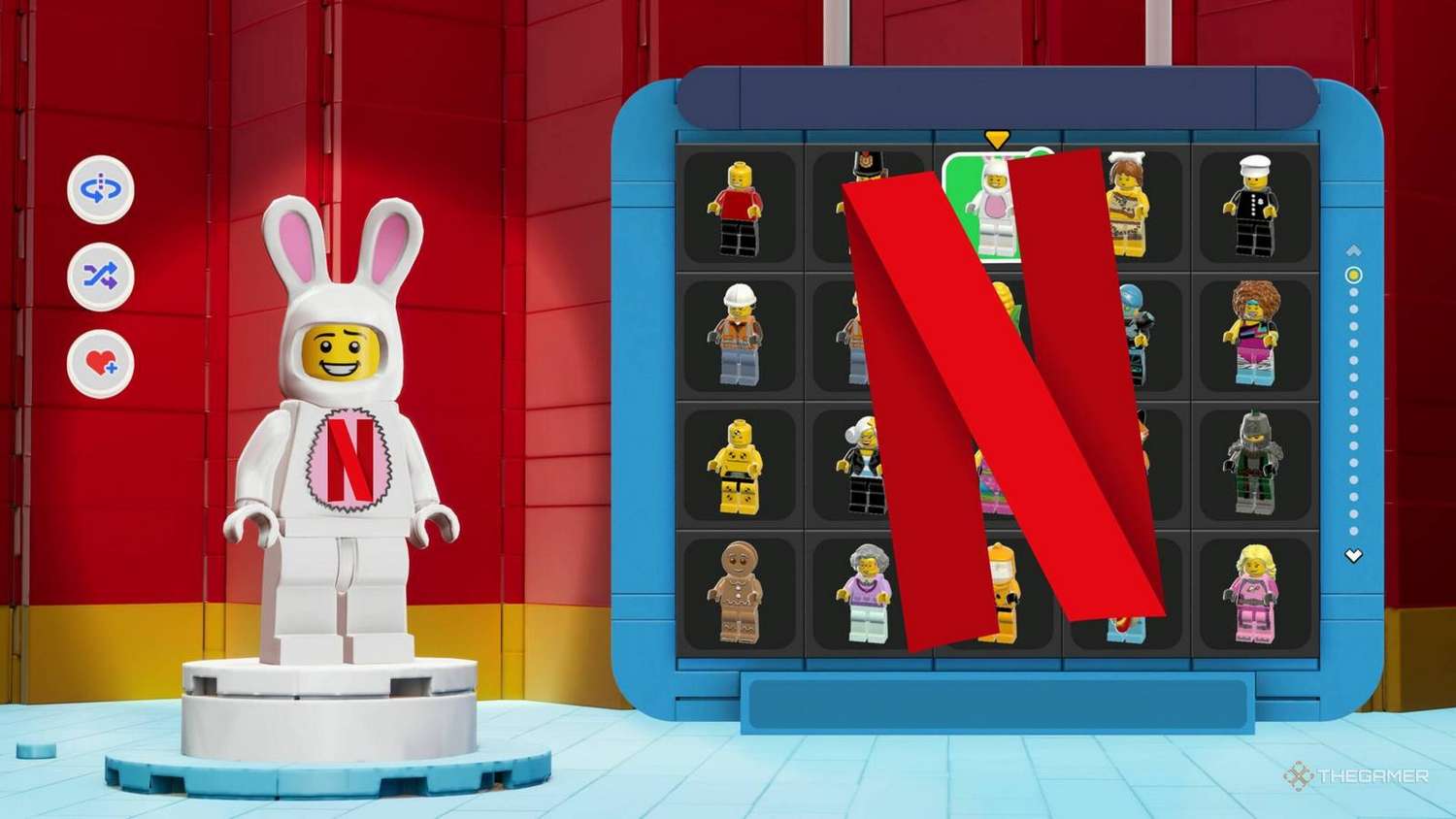
The LEGO Party! title, known for its chaotic minigames and deep character customization, is the perfect flagship for this push. Its cross-generational appeal—bridging nostalgic adults and modern young players—makes it a high-impact asset in the cutthroat streaming wars. The success of this title’s integration will dictate the future trajectory of Netflix’s gaming ambitions, which are increasingly seen as the next major pillar of their digital economy.
Keywords Focus: Netflix Games revolution, LEGO Party! TV integration, streaming giant gaming strategy, social gaming monetization, smartphone controller technology, cross-platform engagement, subscriber retention boost, TV-based gaming innovation.
The Strategic Pivot: From Mobile Apps to TV Co-Op
Netflix’s initial foray into gaming in 2021 was characterized by offering free-to-play mobile titles, which, while numerous, failed to establish Netflix as a serious gaming destination. The LEGO Party! launch on TV signals a clear, decisive pivot away from mobile-first downloads and towards living-room co-op experiences.
1. Eliminating the Friction Barrier
The core of the Game Night strategy is accessibility. Traditional console gaming requires a significant upfront investment in hardware and controllers. By using the smartphone as the sole controller—connected simply by scanning a QR code displayed on the TV—Netflix has virtually eliminated the barrier to entry for group play.
- The Netflix Advantage: A user can literally go from watching a show like Squid Game to launching LEGO Party! without leaving the Netflix application. This seamless transition is a massive competitive advantage in the media consumption space, transforming the streaming interface into an interactive, communal hub.
- The Smartphone as a Universal Controller: Leveraging the touch screen and gyro sensors of modern smartphones for input allows for unique and intuitive controls, reducing the learning curve often associated with complex console gamepads. This technology shift is central to the TV-based gaming innovation.
2. The Power of the LEGO Brand
The choice of LEGO Party! as a flagship title is strategically brilliant. The game itself, inspired by the likes of Mario Party, features over 60 hilarious minigames themed around iconic LEGO sets (NINJAGO, Pirates, Space), ensuring maximum appeal across all demographics.
- Cross-Generational Appeal: The LEGO IP is one of the most recognized global brands, appealing both to parents (nostalgia) and children (current franchise relevance). This makes it an ideal driver for family entertainment and communal play, directly serving Netflix’s goal of boosting household engagement.
- Monetization by Retention: Unlike the console version, the Netflix version of LEGO Party! is included free with the subscription. The value proposition is clear: the $40 retail price of the game is essentially “free” to subscribers, significantly increasing the perceived value of the monthly membership and acting as a powerful tool for subscriber retention boost.
The Technical Deep Dive: Cloud, Cross-Platform, and Latency Management
The technical hurdles of delivering a high-fidelity, low-latency party game via a streaming-centric TV app are substantial. Netflix’s success hinges on its backend infrastructure, drawing heavily on its experience in cloud streaming and content delivery networks (CDNs).
1. Cloud Infrastructure for Low Latency
While LEGO Party! is a relatively casual game, party games require extremely low input latency (delay between phone tap and TV action) to feel responsive and fair. Netflix has had to invest heavily in additional cloud server capacity and optimization to handle the cross-platform communication between the TV app, the smartphone controller, and the game server. This is the cornerstone of making smartphone controller technology viable for competitive play.
- The Synced Experience: The system must flawlessly synchronize up to four mobile controllers in real-time. Any lag introduces unfairness, which is a death knell for competitive party games. The implementation here sets a precedent for how the company handles more complex, fast-paced titles in the future.
- Cross-Platform Heritage: LEGO Party! was built from the ground up by SMG Studio with cross-platform play in mind (console, PC, mobile), making its integration easier. Netflix is leveraging this existing cross-platform engagement technology to bypass the need for developing complex, native TV controller drivers.
2. Beyond Party Games: The Future of Netflix’s IP
The Game Night suite, which includes other recognizable titles like Pictionary, Boggle, and Tetris Time Warp, is only the beginning. The successful integration of LEGO Party! proves the technical viability of the platform, paving the way for the ultimate strategic goal: leveraging Netflix’s own massive Original Intellectual Property (IP) for gaming.
- IP Diversification: Future titles, such as the announced social deduction game based on the Knives Out film series, will further deepen the integration between the streaming content and the interactive games. This allows Netflix to fully monetize its content library by offering continuous engagement outside of pure viewing time.
- “Appointment Gaming”: The announced Best Guess Live, a weekday quiz show format where viewers can win real money by participating via their phones, mirrors the success of live-event streaming. This concept of “appointment gaming” is a critical strategy to foster habitual usage and increase the daily time spent within the Netflix ecosystem.
Conclusion: The Streaming Giant’s Gaming Revolution
The launch of LEGO Party! on the Netflix TV app is far more than a new release; it is the physical manifestation of a major strategic shift for the streaming giant. By focusing on a highly accessible, communal, TV-based gaming experience that uses the ubiquity of the smartphone, Netflix is effectively placing a “virtual console” in every subscriber’s living room, included at no extra cost. This move brilliantly tackles the twin challenges of customer retention in a saturated streaming market and establishing a credible, unique foothold in the global gaming industry. The success of LEGO Party! will likely serve as the blueprint for an aggressive rollout of IP-driven, family-friendly titles, cementing Netflix’s aspiration to be not just the global leader in streaming video, but a dominant force in social gaming monetization and the ultimate destination for streaming-as-a-service entertainment.
The blocks are laid, the minifigures are ready, and the battle for living room supremacy is officially underway.