
Planet of Lana’s Next Chapter: Anticipating a Bolder, More Beautiful, and Profound Sequel







Popular Now
 Free Fire Max
 EA SPORT FC 25
 League of Legends
 God of War Ragnarök
 Brawl Stars
 Valorant
 Gacha Club
 Geometry Dash
 Counter-Strike 2
Sonic the Hedgehog™ Classic
Counter-Strike 2
Sonic the Hedgehog™ Classic 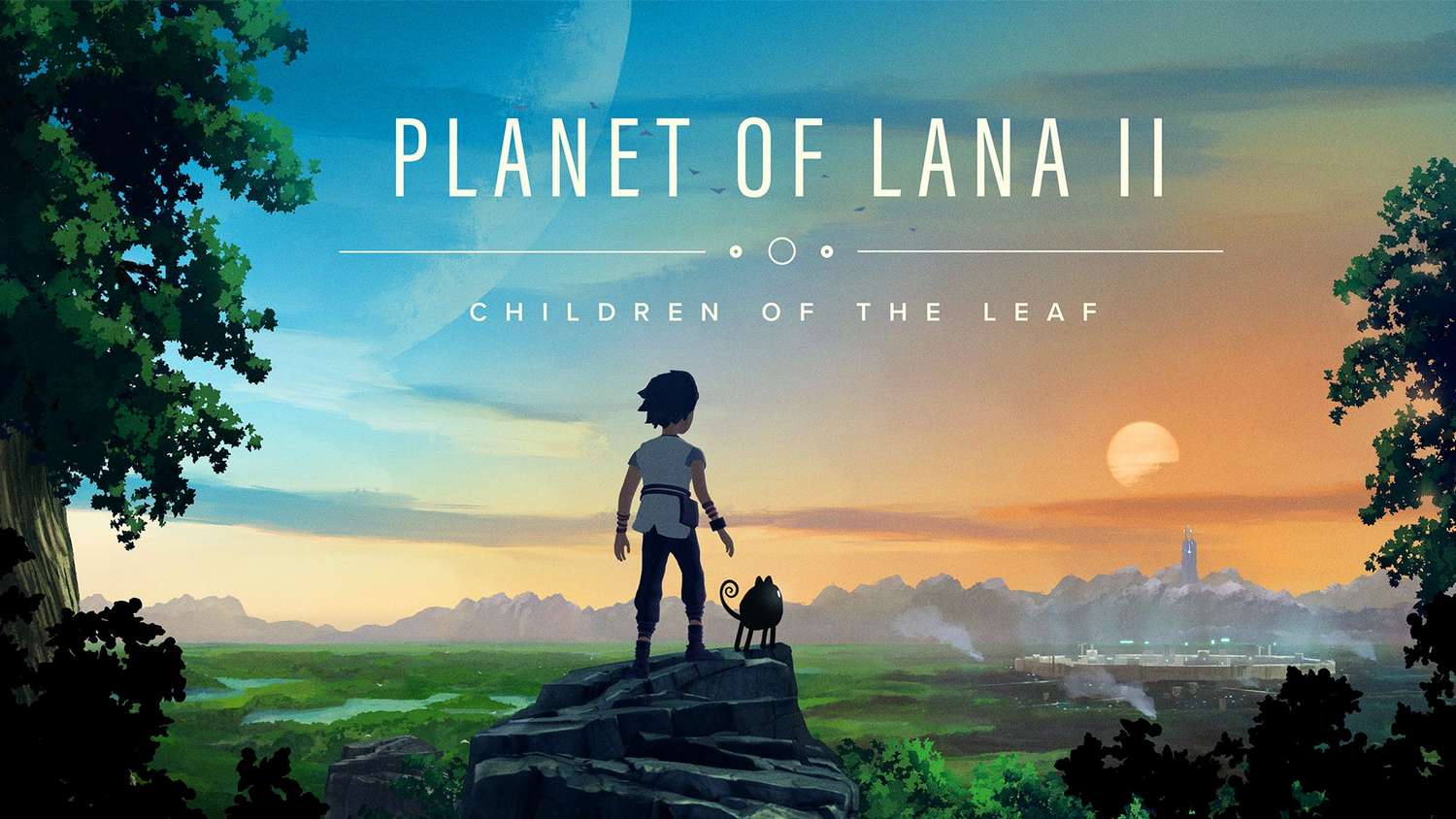
The Unveiling of a New Horizon: Why Planet of Lana’s Successor Promises Evolutionary Strides
The original Planet of Lana captivated audiences with its minimalist yet profoundly affecting narrative, stunning art direction, and clever puzzle-platforming mechanics. Its charm lay in the delicate balance of environmental storytelling and the endearing bond between Lana and her companion, Mui. As whispers of a sequel emerge, the anticipation isn’t merely for more of the same, but for an experience that somehow feels bigger, prettier, and deeper in every conceivable way. This isn’t just an iteration; it’s poised to be an evolution, setting a new benchmark for narrative-driven indie games.
In the highly competitive landscape of indie gaming, developers face immense pressure to innovate, especially when following up a critically acclaimed title. A sequel to Planet of Lana isn’t just about expanding the world; it’s about enriching the player’s emotional investment and refining the core gameplay loop to offer something truly fresh. The speculative enhancements revolve around pushing visual fidelity, expanding the scope of its world, and deepening the intricate storytelling that made the first installment a standout.
Visual Splendor Redefined: A Prettier Planet Awaits
One of the most striking aspects of the original Planet of Lana was its breathtaking art style. Hand-drawn aesthetics combined with thoughtful lighting created a truly immersive, painterly world. For a sequel to feel ‘prettier,’ it must transcend its predecessor’s already high bar, not necessarily through hyper-realism, but by leveraging advancements in rendering technology and artistic ingenuity to amplify its unique visual identity.
- Enhanced Environmental Detail: Imagine more dynamic foliage, subtle weather effects that influence gameplay, and incredibly intricate background elements that further flesh out the alien ecosystems. The shift from a 2D plane to a 2.5D or even a carefully controlled 3D environment could add immense depth without sacrificing the beloved aesthetic.
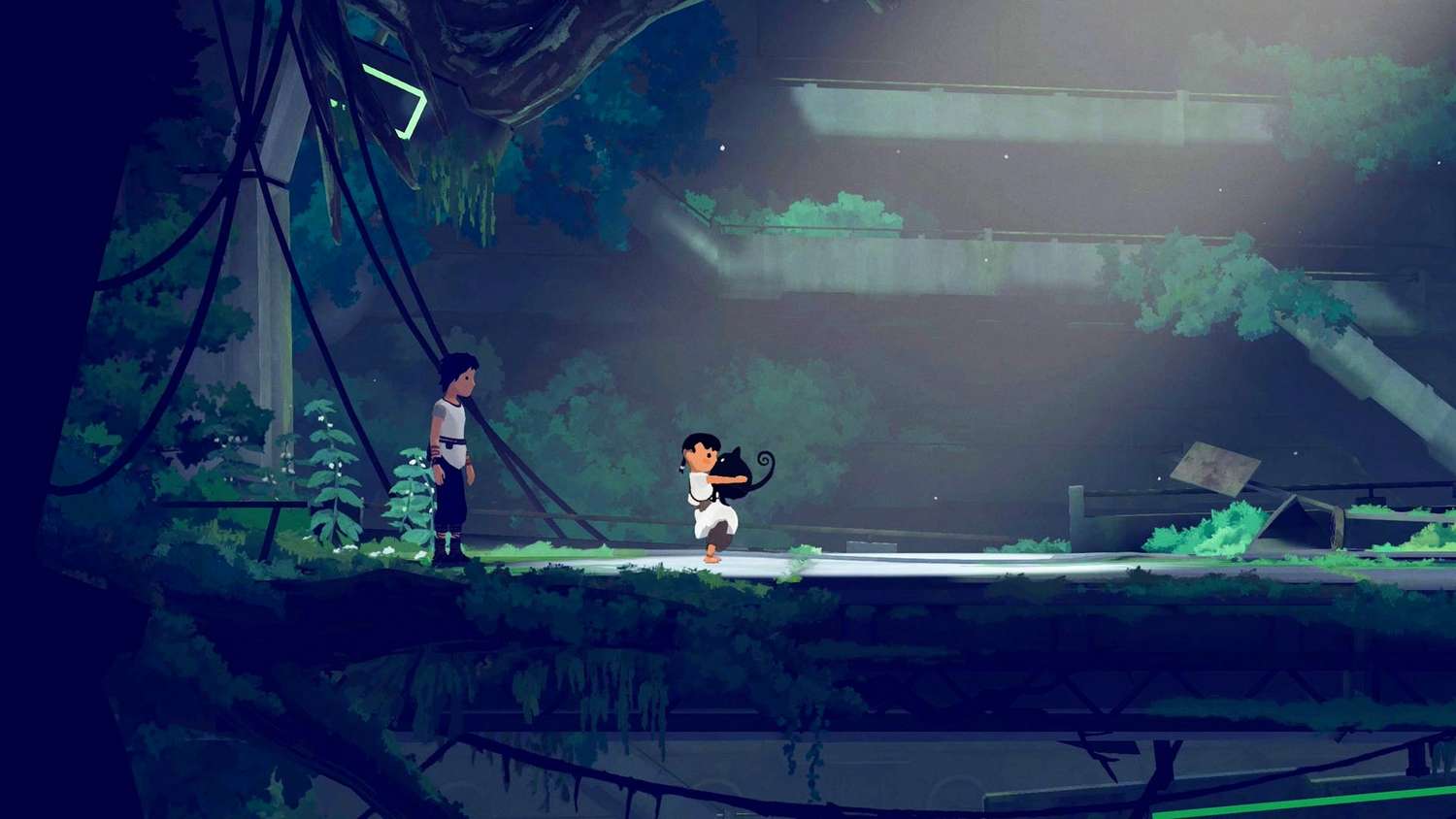
- Character Model Refinement: While keeping the stylized nature, character models for Lana, Mui, and new creatures could benefit from more nuanced animations, higher polygon counts (if shifting towards 3D elements), and improved texture work, allowing for more expressive reactions and subtle storytelling through movement. This focus on high-fidelity graphics within a stylized framework will be key.
- Lighting and Particle Systems: Advanced global illumination, volumetric lighting, and particle effects could transform familiar landscapes into truly awe-inspiring vistas. Picture Mui’s glowing eyes cutting through denser, more atmospheric shadows, or dust motes dancing in sunlit ruins – small details that collectively elevate the visual experience.
These enhancements wouldn’t just be cosmetic; they would serve the narrative, making the world feel more alive, more dangerous, and ultimately, more beautiful, further cementing its position among the best indie games for visual artistry.
Expanding Horizons: A Bigger World with Richer Gameplay Mechanics
To feel ‘bigger,’ a Planet of Lana sequel must not only physically expand its universe but also offer a broader array of challenges and interactive elements. The original game featured a linear progression through distinct biomes, each introducing new environmental puzzles that often relied on Lana and Mui’s cooperative abilities. A sequel has the opportunity to vastly increase this scope.
- Non-Linear Exploration: While maintaining a strong narrative throughline, introducing elements of non-linear exploration or larger hub areas could give players more agency and a greater sense of discovery. Unlocking new paths, revisiting old areas with new abilities, and uncovering hidden lore would significantly enhance replayability and the overall sense of a ‘bigger’ world.
- Expanded Companion Mechanics: Mui’s abilities were central to the original’s puzzle design. A sequel could introduce new commands, more complex cooperative actions, or even temporary additional companions with unique skills, diversifying puzzle solutions and combat (or evasion) encounters. This deepens the innovative gameplay that fans expect.
- Dynamic Environmental Puzzles: Moving beyond static obstacles, imagine puzzles that react to the time of day, weather conditions, or even the ecosystem’s own AI. This would demand more adaptive thinking from players, fostering a truly dynamic and engaging experience. Integrating physics-based puzzles more extensively would also add a layer of realism and complexity.
- Strategic Engagement: While not a combat-heavy game, the original featured stealth and evasion. A sequel could introduce more varied enemy types, requiring different strategies beyond simple avoidance, perhaps incorporating Mui’s abilities in more tactical ways to outsmart alien threats. This elevates the puzzle-platformer genre.
Such expansions would not merely add content but fundamentally alter the rhythm and scale of the adventure, making each discovery feel more significant within a sprawling, interconnected world. This directly addresses the expectation of a ‘bigger’ game that stands out in the highly competitive adventure games market.
Emotional Resonance and Narrative Complexity: Delving Deeper into Lana’s Journey
The true heart of Planet of Lana was its understated yet powerful narrative, exploring themes of ecological disaster, survival, and the unbreakable bond of companionship. For a sequel to feel ‘deeper,’ it must probe these themes with greater nuance, introduce more complex character arcs, and potentially tackle broader philosophical questions about humanity’s place in the universe.
- Elaborated Lore and World-Building: The first game offered glimpses into a ravaged Earth and an enigmatic alien presence. A sequel could delve extensively into the history of this conflict, the nature of the aliens, and the fate of humanity, perhaps through collectible lore, environmental storytelling, or even more profound revelations within the main narrative. This creates an even richer, more immersive experience.
- Moral Ambiguity and Player Choice: Introducing moments of moral choice, even subtle ones, could deepen player investment. What sacrifices must be made to save a world? Are all alien life forms inherently hostile, or is there room for understanding? These questions could lead to branching narrative paths or different endings, adding significant narrative weight.
- Character Development and Relationships: Further exploring Lana’s growth, her fears, and her evolving relationship with Mui, or even new characters, would resonate deeply with players. The emotional core of the game is its strength, and expanding upon this through more intricate dialogue (if introduced) or visual storytelling would be crucial. The focus on visual storytelling should remain paramount.
- Philosophical Underpinnings: Beyond simple good-versus-evil narratives, a sequel could explore environmental ethics, the nature of intelligence, or the cycle of destruction and rebirth on a galactic scale. Such weighty themes, presented with the original’s gentle touch, would elevate the game into a truly profound artistic statement. This pushes the boundaries of typical game reviews that merely focus on mechanics.
By investing in a narrative that is both broader in scope and more intricate in its emotional and philosophical exploration, the sequel could deliver a truly unforgettable experience, solidifying its place as a critically acclaimed title known for its emotional depth and powerful storytelling.
Anticipating the Next-Gen Indie Masterpiece
The vision of a Planet of Lana sequel that is bigger, prettier, and deeper is not merely wishful thinking; it’s a natural progression for a title that already demonstrated immense potential. Developers today have access to tools and techniques that can amplify artistic visions without sacrificing the intimacy and charm that define independent productions. Leveraging current game development trends, such as advanced physics engines and sophisticated AI, while staying true to the game’s core identity, would be essential.
As the gaming community eagerly awaits news, the hypothetical sequel to Planet of Lana stands as a beacon for what next-gen indie games can achieve. It’s an opportunity to blend exquisite art direction and compelling sound design with innovative gameplay and a profoundly moving narrative, delivering not just a game, but an experience. If executed with the care and vision that defined its predecessor, the next chapter in Lana’s journey could very well redefine expectations for puzzle-platformer adventures, offering a rich tapestry of challenges, beauty, and emotional resonance that captivates and inspires players worldwide.
The successful integration of these elements—superior aesthetics, expanded mechanics, and a richer narrative—will determine if the sequel can truly fulfill the promise of feeling bigger, prettier, and deeper, cementing its legacy as a masterpiece of modern cinematic quality interactive entertainment. This commitment to excellence is what drives the gaming technology frontier forward, even in the indie space.