
Screamer Unveiled: The Anime-Inspired Driving Game Fusing High-Octane Racers with Strategic Fighting Mechanics









Popular Now
 God of War Ragnarök
 CarX Street
 Roblox
 Rust
Rust
 Genshin Impact
 FIFA 23
 Schedule I
 Brawl Stars
 Grand Theft Auto V
 BeamNG.drive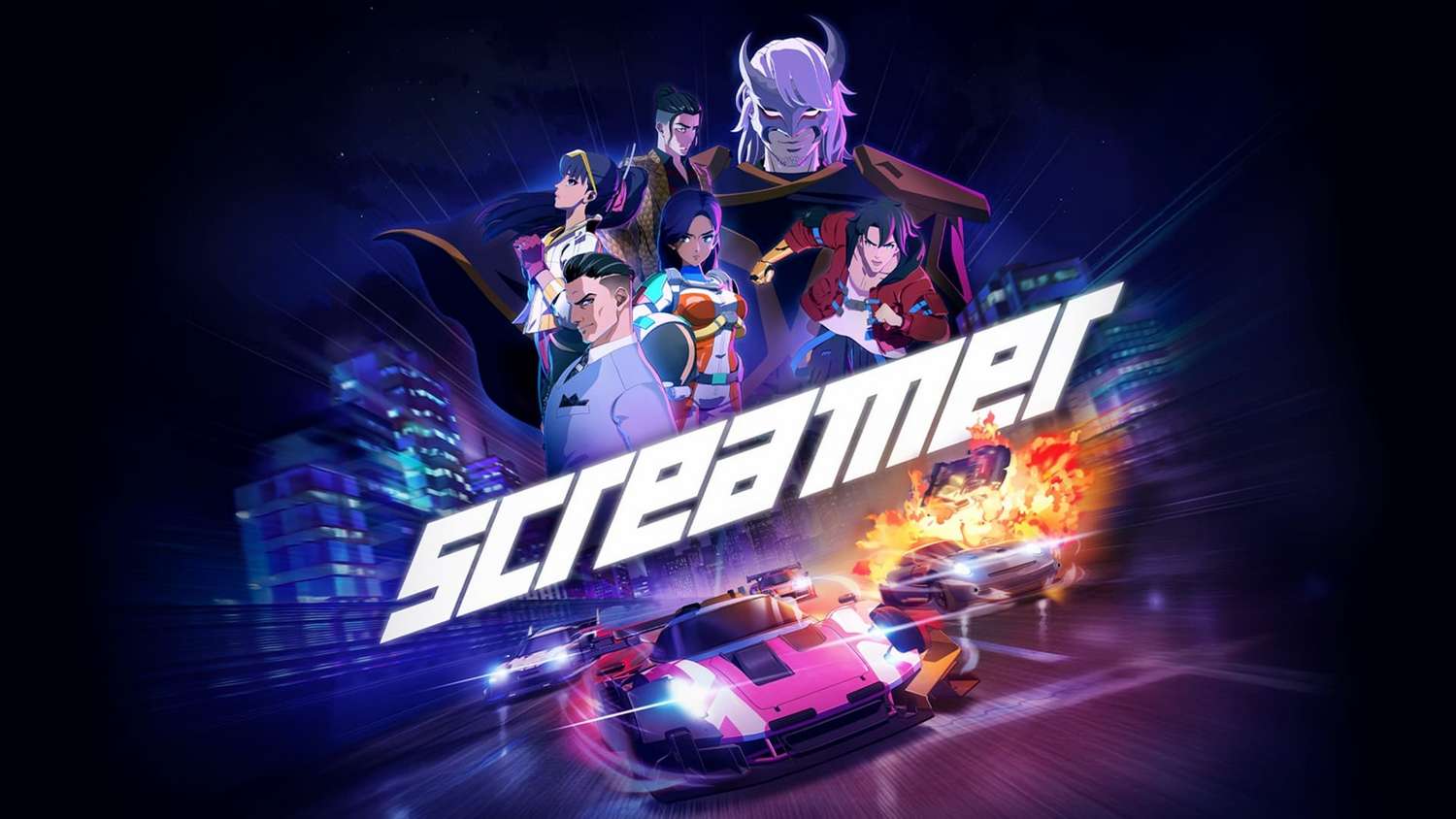
In a bold move that promises to redefine genre boundaries, the upcoming title Screamer is poised to captivate the gaming world with its audacious blend of arcade racing thrills and deep fighting game mechanics. This anime-inspired driving game is not just another competitor in the crowded racing genre; it’s an ambitious hybrid aiming to deliver an unprecedented level of player engagement and strategic depth. The concept alone suggests a potential disruption in how we perceive competitive driving games, promising a fresh, high-octane experience for both racing enthusiasts and fighting game aficionados.
The current landscape of digital entertainment constantly seeks innovation, and Screamer appears to be charting a truly unique course. Developers are reportedly leveraging a distinctive art style and a narrative heavily influenced by popular anime tropes, creating a vibrant, stylized world where speed meets intense, close-quarters combat. This dual focus suggests a design philosophy centered on maximizing player skill expression, combining the precision of steering and drifting with the tactical execution of special moves and combos.
The Core Fusion: Arcade Racing Meets Combat
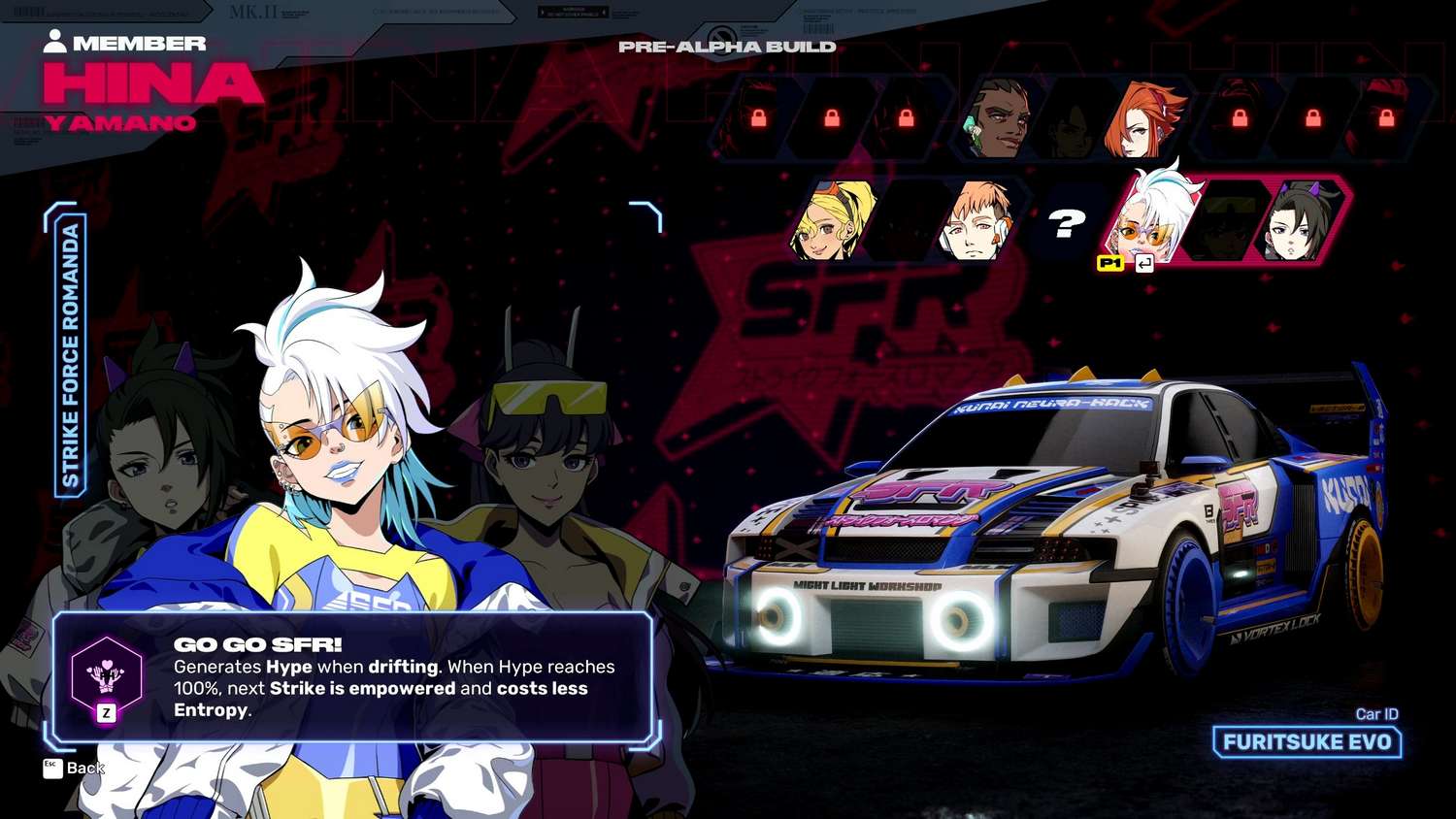
At the heart of Screamer‘s appeal lies its daring fusion. Traditional arcade racing elements are expected to provide the foundational thrill: breakneck speeds, intricate track designs, power-ups, and the satisfying rush of outmaneuvering opponents. However, the introduction of fighting game mechanics is where the title truly diverges. Players won’t just be racing for position; they’ll be engaging in dynamic, vehicle-on-vehicle combat sequences that demand strategic thinking and quick reflexes. Imagine deploying signature moves, chaining attacks, and executing perfect blocks, all while hurtling down a futuristic highway at unimaginable velocities.
This innovative approach raises several intriguing questions about gameplay balance and player skill progression. Will players need to master a complex ‘move list’ for their vehicle, akin to a fighting game character? How will the timing and execution of these combat maneuvers integrate seamlessly with the physics of high-speed racing? Early indications suggest a meticulous design process focused on ensuring that neither genre aspect overshadows the other, but rather complements it to create a cohesive, exhilarating experience. The promise is a game where winning isn’t solely about finding the optimal racing line, but also about outsmarting and outfighting your rivals with a well-timed special attack or defensive counter.
Anime Aesthetic and Narrative Potential
The choice of an anime-inspired aesthetic for Screamer is a deliberate one, designed to resonate with a global audience familiar with the genre’s dynamic visuals, exaggerated action, and compelling character-driven narratives. This art direction often allows for more fantastical vehicle designs, over-the-top special effects, and visually striking combat animations that would feel out of place in a more realistic racing simulator. This choice alone could significantly boost consumer interest and differentiate the title in a competitive market.
Furthermore, an anime backdrop opens up vast possibilities for rich storytelling and character development. Each vehicle, or perhaps each driver, could be imbued with unique personalities, backstories, and signature combat styles, much like characters in a fighting game roster. This narrative depth could contribute significantly to player engagement, offering more than just a series of races but a compelling journey through a vibrant, character-rich universe. The potential for competitive multiplayer, with players adopting their favorite ‘combat racers’ and mastering their unique abilities, is immense and could lay the groundwork for a robust esports presence.
Strategic Implications and Market Disruption
From a market perspective, Screamer‘s hybrid nature positions it uniquely. It has the potential to attract not only fans of traditional racing games but also those who gravitate towards competitive fighting games, creating a cross-genre appeal that few titles can boast. This broader demographic could be a significant factor in its commercial success and longevity. The game’s innovative mechanics could also translate into compelling live-service content, offering new vehicles, drivers, tracks, and combat abilities post-launch, driving continuous player engagement and monetization opportunities.
- New Player Experiences: Attracts players seeking fresh gameplay loops beyond conventional racing or fighting titles.
- Esports Potential: The skill-based combat and racing elements offer a strong foundation for competitive play and viewership.
- Unique Selling Proposition: Stands out in the crowded gaming market due to its genre-bending design.
- Monetization Avenues: Opportunities for cosmetic customization, character/vehicle unlocks, and seasonal content.
- Broadened Audience Reach: Appeals to fans across multiple established gaming genres.
The successful execution of this ambitious vision will hinge on several critical factors: intuitive controls that seamlessly integrate both racing and fighting actions, balanced gameplay that prevents one mechanic from dominating the other, and a robust online infrastructure to support competitive multiplayer. If executed flawlessly, Screamer could emerge as a groundbreaking title, setting new benchmarks for hybrid game development and offering a truly fresh gaming experience. The developers are clearly banking on the allure of speed combined with strategic combat to carve out a significant niche, and early buzz suggests this gamble might just pay off handsomely, ushering in a new era of high-stakes, high-skill automotive combat.
 The Road Ahead: Anticipating Screamer’s Impact
 The Road Ahead: Anticipating Screamer’s Impact
The reveal of Screamer has undoubtedly sparked considerable discussion within the gaming community and among industry analysts. Its premise challenges the conventional wisdom that genre purity is paramount. Instead, it embraces the idea that bold experimentation can lead to genuinely innovative and rewarding experiences. The financial investment and creative effort required to weave together two distinct and complex gameplay styles are substantial, signaling a strong commitment from its developers to deliver a high-quality product.
As the development progresses, fans will undoubtedly be eager for more details regarding specific combat mechanics, vehicle customization options, and the extent of the game’s narrative. The potential for personalized gameplay, where players can fine-tune their vehicle’s performance for racing while simultaneously optimizing their loadout for combat encounters, is a compelling prospect. This level of strategic depth is a hallmark of successful fighting games and, when applied to a racing context, could provide an unprecedented layer of tactical decision-making before and during each race.
Ultimately, Screamer represents a significant moment for gaming innovation. It’s a testament to the fact that creativity within game development continues to thrive, pushing boundaries and challenging established norms. Whether it becomes a monumental success story or faces the inevitable challenges of pioneering a new genre, its conceptual audacity alone guarantees it a place in discussions about the future direction of interactive entertainment. For players seeking an adrenaline rush fused with deep strategic combat, Screamer promises to be a title worth watching very closely, potentially delivering the ultimate fusion fantasy for those who crave both speed and skill-based combat in one exhilarating package.