
Controversial Survey Highlights Deep Divisions as Wizards of the Coast Addresses Magic: The Gathering – Spider-Man Backlash: Is the Blame Game on?










Popular Now
 Candy Crush Saga
Call of Duty
Candy Crush Saga
Call of Duty
 Free Fire Max
 Schedule I
 EA SPORT FC 25
 Brawl Stars
 The Legend of Zelda
 Black Myth: Wukong
 God of War Ragnarök
 Garena Free Fire: Kalahari
The highly anticipated, yet heavily scrutinized, Magic: The Gathering – Marvel’s Spider-Man Universes Beyond set has faced a tumultuous reception from the moment of its announcement. Now, in a move that has only intensified community debate and drawn sharp criticism from prominent content creators, Wizards of the Coast (WotC) has distributed a post-release survey intended to gauge player sentiment—a survey that contains a particularly contentious question suggesting the company may be trying to externalize blame for the set’s lackluster performance.
This development is the latest flashpoint in an ongoing discussion about the pace of WotC’s release schedule, the controversial integration of non-fantasy Intellectual Property (IP), and the perceived quality drop in recent products. For players and investors alike, understanding the implications of this survey is crucial for forecasting the future direction of the Collectable Card Game (CCG) behemoth.
The Set’s Sticky Situation: Performance and Critical Reception
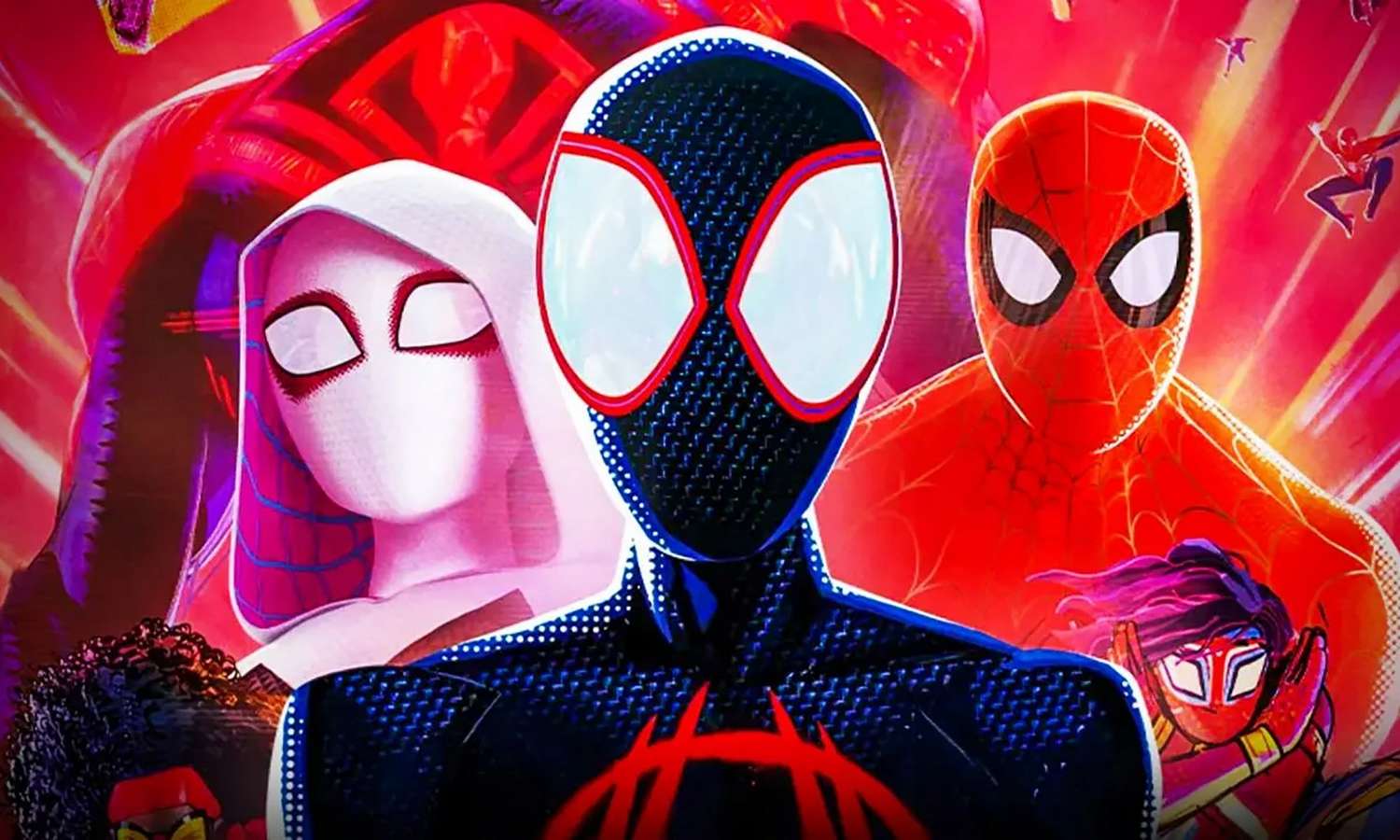
Despite being a collaboration with one of the most globally recognizable characters in pop culture, the Spider-Man set has failed to capture the positive momentum seen with other Universes Beyond releases. Initial community reaction focused on what many felt was an uninspired card design, with a heavy reliance on existing mechanics (such as Modified and Connive) and a setting that lacked the cohesive “flavor” expected of a full-fledged Magic set. Critics pointed to filler cards featuring mundane elements, such as a Hot Dog Cart or a Subway Train, as evidence of rushed development and a lack of depth compared to the core Magic universe or previous crossover sets.
 Furthermore, the set’s impact on competitive Standard formats has been minimal, and reports from the secondary market indicate that the premium Collector Booster boxes have seen surprisingly rapid and significant price drops, suggesting low organic demand and a lack of highly sought-after, high-value cards to drive speculation and long-term investment.
The Controversial Clause: Content Creators in the Crosshairs
The recent player survey, designed to solicit feedback on all aspects of the Spider-Man release, took a dramatic turn when it included a targeted, multi-part query concerning the influence of content creators on player perception. Specifically, participants who indicated that they consumed news about the set from influencers or streamers were presented with a follow-up question asking: “To what degree did negative influencer commentary impact your perceptions of Magic: The Gathering | Marvel’s Spider-Man before the set released?”
This question has been widely condemned by both the community and the creators themselves. High-profile figures, including Hall of Fame player Luis ‘LSV’ Scott-Vargas, voiced strong concerns on social media, describing the question as “insane” and an attempt to shift accountability. Many critics perceive the query as a thinly veiled effort to identify and potentially blacklist or sideline key opinion leaders (KOLs) whose critical analysis may have contributed to lower sales figures.
- The Community Perspective: Many players saw the question as a deflection from the set’s genuine design flaws, suggesting WotC was unwilling to take full ownership of a perceived misstep.
- The Influencer Concern: Content creators expressed worry that the survey was the beginning of a “witch hunt,” potentially leading to retaliation against those who offer honest, critical reviews, thereby chilling free speech and legitimate scrutiny within the gaming ecosystem.
Beyond the Blame: What the Survey Truly Reveals
While the focus has been on the sensational “blame game” aspect, the very existence and timing of such a pointed survey reveal deeper underlying anxieties within the company. The move suggests that the internal metrics for the Spider-Man set have indeed been disappointing, leading the publisher to engage in a desperate search for explanatory factors.
The backlash to the set has crystallized several ongoing concerns from the dedicated player base regarding the Universes Beyond (UB) strategy:
- Design Cohesion vs. IP Integration: The debate over whether external IPs can be seamlessly integrated without compromising Magic’s established mechanics and “flavor.” Critics argue that a full-fledged set requires a higher bar for design than pre-constructed Commander Decks or Secret Lairs.
- The “Print-Run” Pacing: Players continue to voice fatigue over the rapid and continuous release schedule. The high frequency of sets, combined with aggressive price points for premium products, leads to “set fatigue” and forces players to be highly selective about their purchasing decisions.
- The Value Proposition: For a game often viewed as a financial investment, perceived low power level and lack of unique, playable staples significantly undermine the long-term residual value of the cards, which is a major factor for the most engaged customers and collectors driving the high-end market segment.
 Moving Forward: Transparency and Trust are High-Value Assets
 Moving Forward: Transparency and Trust are High-Value Assets
The outcome of this controversy will be a critical test of the relationship between Wizards of the Coast and its community. Trust, especially in the context of a game that requires significant monetary investment, is a high-value asset. If the company is perceived as avoiding accountability or attempting to manipulate the narrative by targeting independent voices, the damage to its brand could be substantial and long-lasting.
Industry analysts suggest that WotC should pivot its communication strategy from one of defense to one of transparent acknowledgment of the community’s feedback. Moving forward, the success of the remaining Universes Beyond pipeline—which includes sets based on PlayStation properties, Star Trek, and Teenage Mutant Ninja Turtles—will depend on whether the company demonstrates that it has learned from the Spider-Man misstep. For the millions of players worldwide, the hope remains that the future of Magic will prioritize high-quality design and a healthy, honest dialogue with the community that drives its success.