
The Director’s Cut: Why Metroid Prime Remastered Retained the Original Cutscenes








Popular Now
Counter-Strike 2
 Free Fire Max
 Minecraft
 God of War Ragnarök
Valorant
Garena Free Fire: Kalahari
God of War Ragnarök
Valorant
Garena Free Fire: Kalahari
 Poppy Playtime
 R.E.P.O
 Fall Guys
 Roblox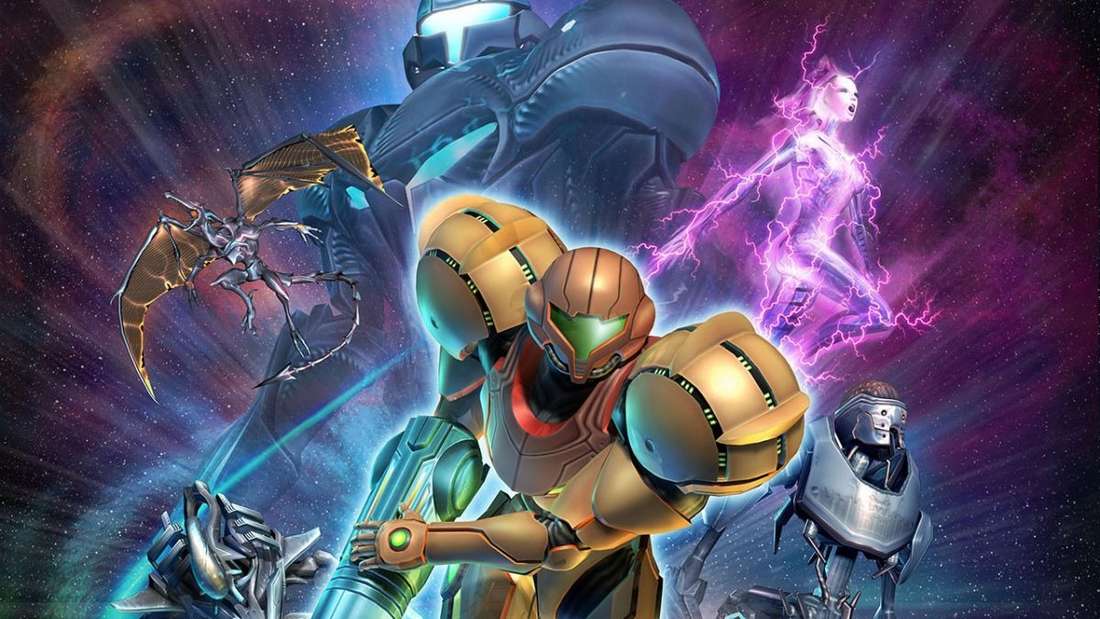
A fascinating detail about the development of Metroid Prime Remastered for the Nintendo Switch has emerged, revealing that the game almost featured entirely new, high-fidelity cutscenes, similar to a modern remake. However, the proposal by developer Retro Studios was ultimately overruled by a key Nintendo figure to preserve the integrity of the original 2002 experience.
This decision offers a rare glimpse into the creative philosophy behind Nintendo’s remasters, emphasizing gameplay clarity and original design intent over pure graphical spectacle.
 The Untold Story from the Art Book
 The Untold Story from the Art Book
The revelation comes from a producer’s note by Kensuke Tanabe, a longtime Metroid Prime producer at Nintendo, as detailed in the new art book, Metroid Prime 1-3: A Visual Retrospective.
According to Tanabe-san:
- Retro’s Proposal: When the project began, Retro Studios proposed creating entirely new cutscenes for the remaster. They even produced a prototype that Tanabe described as “undeniably impressive, with a high level of quality.” This was likely an attempt to fully modernize the cinematics to match the game’s stunning new HD visuals and modern character models.
- Tanabe’s Veto: Tanabe ultimately decided against this. His reasoning was that the original GameCube cutscenes were not merely for “dramatic effect” but “played a role in conveying gameplay-relevant information to the player.”
- The Final Direction: Retro Studios was directed to “closely observe the cutscenes from the GameCube version and replicate them essentially as they were,” a direction the team “fully adhered to” with exceptional professionalism.
The Importance of “Gameplay-Relevant Information”
Tanabe’s rationale speaks to the meticulous design philosophy of the original Metroid Prime, which is classified as a “first-person adventure” rather than a typical shooter. The cutscenes often serve to:
- Direct the Player: They subtly direct the player’s attention to new paths, newly unlocked areas, or the specific weaknesses/behaviors of a boss. Changing a camera angle or the timing of a shot could inadvertently remove a crucial visual cue.
- Preserve Pacing: The original cinematics, while unskippable on a first playthrough, were intentionally paced to allow the world to “breathe” and to smoothly transition between exploration and action.
- Maintain Consistency: By replicating the scenes as closely as possible, Nintendo ensured that the game’s flow and information delivery remained consistent with the title that many players consider one of the best games ever made.
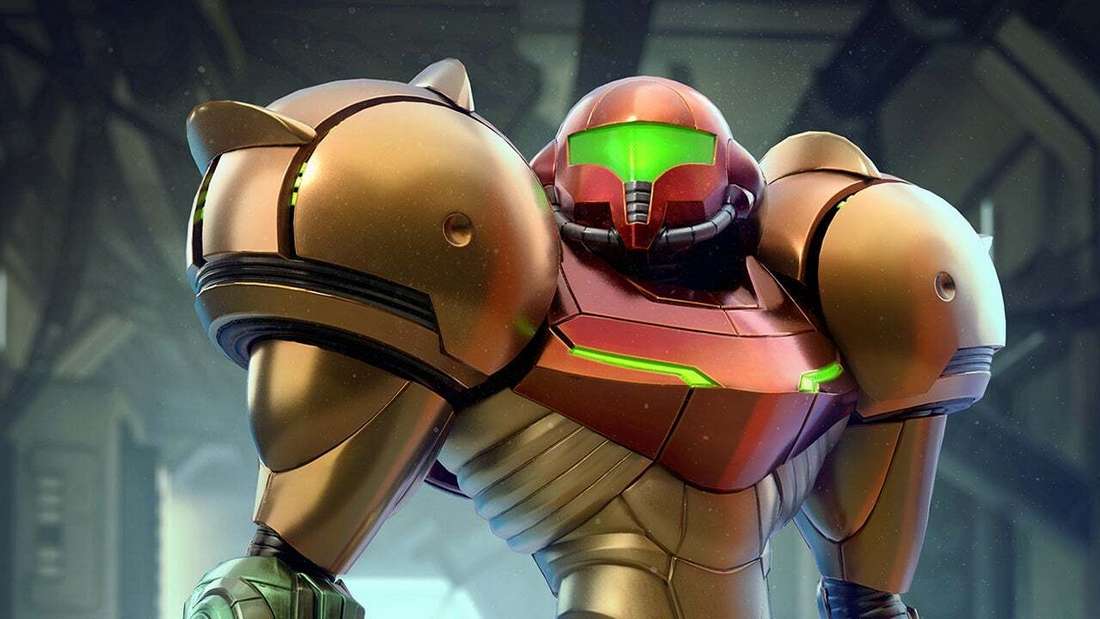
In the final release of Metroid Prime Remastered, the cutscenes are indeed rebuilt with new assets and animations, but they mirror the camera work, timing, and framing of the 2002 original, preserving that critical design DNA while benefiting from the massive graphical overhaul.